Project Guides
Decorative Lighting for Airports and Public Spaces: Balancing Scale, Identity and Practical Performance
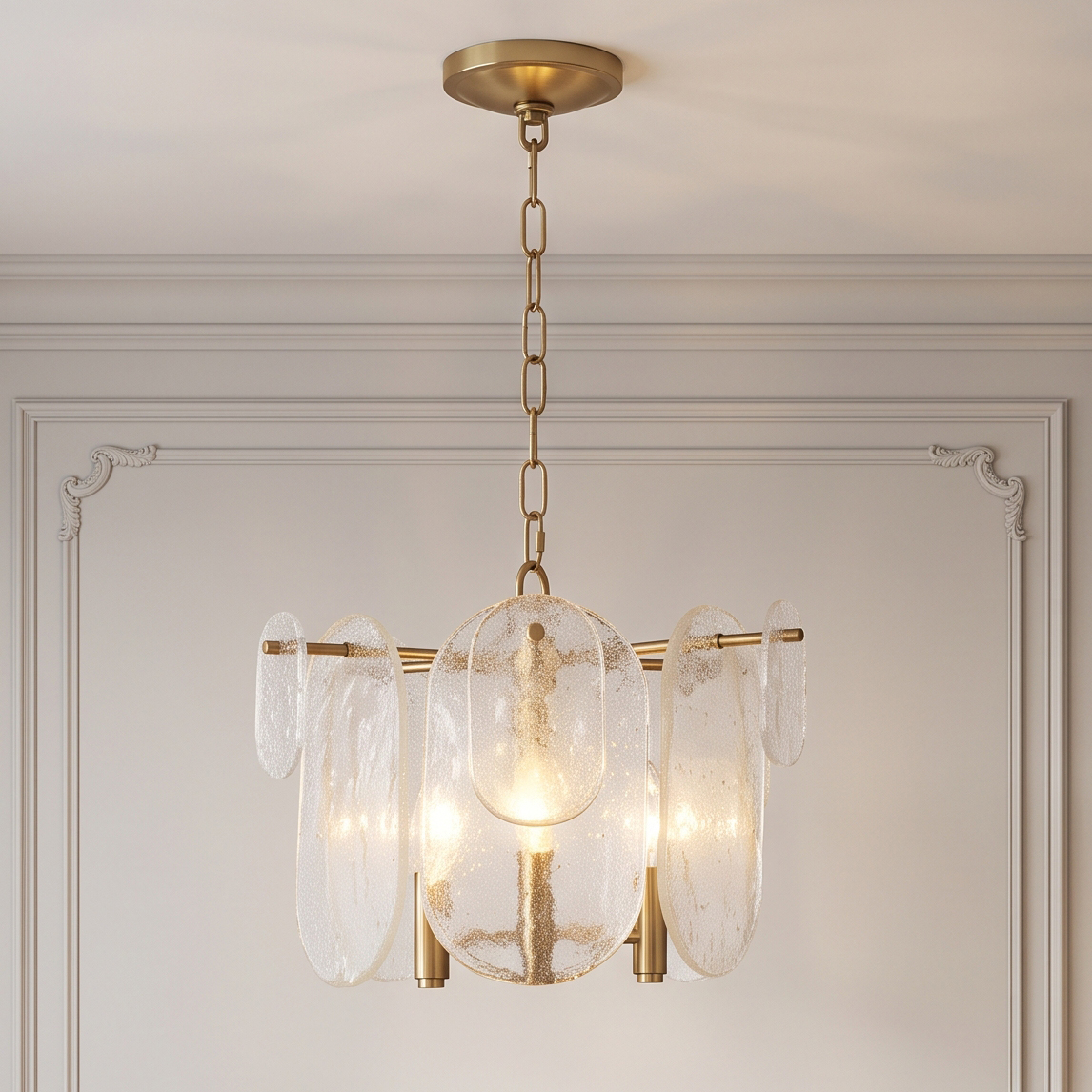
Cover: approved product-library reference; not a photograph of a completed airport installation.
PROJECT & PROCUREMENT GUIDE
Introduction
Airports, transport hubs, convention centres, and other public buildings need lighting that works at a large scale. Fixtures must support wayfinding and comfort while helping the space feel recognisable and welcoming. Custom decorative lighting can contribute to the architectural identity of a public venue, but it must be developed with durability, maintenance, safety, and operational needs in mind.
1. Create Identity at a Large Scale
Large public spaces can feel impersonal if every element is purely functional. A distinctive chandelier, sculptural pendant installation, or repeated family of decorative fixtures can create a recognisable visual signature. The design should relate to the building’s architecture, local context, and visitor journey, while avoiding visual clutter in areas where people need to navigate quickly.
2. Design for Height, Distance, and Sightlines
A fixture that looks impressive in a rendering may feel different when viewed from several floors below or across a large terminal. Designers should consider ceiling height, viewing angles, scale, rhythm, and how the fixture appears from arrival halls, upper-level walkways, lounges, and circulation routes. Full-size mock-ups, sample modules, or detailed visualisations can help teams evaluate proportions before committing to fabrication.
3. Balance Decorative and Functional Light
Decorative fixtures should work alongside the overall lighting design rather than carry every lighting task. General illumination, task lighting, accent lighting, emergency lighting, and daylight control may all have separate roles. The decorative element can create atmosphere and reinforce architectural features, while technical lighting supports visibility and operational requirements.
4. Choose Materials for Public Use
High-traffic environments place special demands on fixtures. Materials and finishes should be selected for durability, cleanability, and resistance to expected environmental conditions. Large suspended installations may require detailed coordination of weight, suspension points, structural support, access equipment, and safe maintenance procedures. Material choices should be reviewed with the project’s technical and engineering teams.
5. Maintenance Must Be Designed In
Airports and public buildings often operate for long hours, so maintenance access and downtime matter. Consider how light sources and drivers can be reached, whether modules can be replaced individually, how surfaces will be cleaned, and whether specialist lifting equipment is required. A design that is difficult to service can create long-term cost and operational challenges.
6. Coordinate Early with the Project Team
Decorative lighting projects involve architects, interior designers, lighting consultants, electrical engineers, contractors, facility managers, and manufacturers. Early coordination helps confirm dimensions, loads, mounting details, control systems, access requirements, fire and electrical considerations, and applicable local codes. Project-specific standards and approvals should be verified for the destination and building type.
7. Plan for Sampling, Logistics, and Installation
Large fixtures may need to be divided into transportable modules, labelled for assembly, and packed to withstand international shipping or long-distance handling. The manufacturer and contractor should agree on delivery sequencing, site access, installation equipment, storage conditions, and inspection responsibilities well before dispatch.
Understand the Building and Its Operating Needs
Identify arrival points, waiting areas, information zones, circulation routes, and important sightlines. Decorative lighting should reinforce architectural identity while keeping signs, routes, and essential visual information clear.
Set Scale Through Sightlines and Mock-ups
A fixture can appear much smaller in a large terminal than in a product image. Review it from different distances and levels. For complex installations, discuss sample modules, mock-ups, or detailed coordination drawings before final approval.
Coordinate Decorative and Technical Lighting
A sculptural fixture can create identity but may not provide all required illumination. Coordinate decorative lighting with general, task, accent, emergency, and daylight-responsive lighting as applicable. Qualified project professionals must verify required illumination and code compliance.
Structure, Maintenance, and Logistics
Confirm weight, suspension points, fixing methods, cleaning access, replacement strategy, shipping dimensions, and site assembly sequence. Large fixtures may need modular construction and clear component labelling. These details should be discussed before production.
Coordinate Project Stakeholders
Architects, designers, lighting consultants, structural and electrical engineers, contractors, facility managers, and manufacturers may all be involved. Agree who approves drawings, finishes, samples, structural details, inspection, and installation.
Common Mistakes to Avoid
- Choosing a feature fixture only from a rendering without checking scale and sightlines.
- Treating decorative lighting as a substitute for technical or emergency lighting.
- Underestimating structural support, access equipment, or maintenance needs.
- Ignoring transport dimensions and on-site assembly constraints.
A Practical Project Checklist
- Architectural plans, elevations, ceiling heights, sightlines, and site photos.
- Concept direction, materials, finishes, fixture scale, and quantities.
- Structural and mounting details reviewed by qualified professionals.
- Maintenance access, cleaning, replacement, and installation sequence.
- Destination market, applicable codes, technical documents, and logistics constraints.
What Zhongshan Meiyun Lighting Co., Ltd. Can Do
Zhongshan Meiyun Lighting Co., Ltd. focuses on decorative lighting and custom project enquiries. For this type of project, Meiyun can discuss decorative fixture selection and project-specific customisation based on the client’s reference images, drawings, dimensions, material preferences, finishes, and estimated quantities. Depending on the design, discussions may cover fixture proportions, material combinations, finish options, mounting details, sample requirements, production considerations, and coordinated fixture styles. Specific feasibility, available materials, minimum quantities, technical performance, samples, certifications, lead time, warranty, and commercial terms must be confirmed for each product and project.
Information to Include in Your Enquiry
- Project type, location, and intended application.
- Drawings or reference photos, dimensions, ceiling or mounting conditions, and preferred style.
- Materials, finish references, estimated quantity, and whether a sample is required.
- Destination country, target delivery date, and any required technical documents or certifications.
Conclusion
The strongest public-space lighting combines a clear architectural idea with practical performance. By treating scale, materials, maintenance, coordination, and installation as part of the design from the beginning, project teams can create decorative lighting that is distinctive and dependable.
Meiyun Lighting supports custom decorative lighting development for commercial and public-space projects. Share your drawings, concept images, approximate dimensions, quantity, and project schedule so the design and production requirements can be reviewed together.
Frequently Asked Questions
Can Meiyun develop decorative fixtures for airports or public buildings?
Meiyun can discuss custom decorative-lighting options based on project drawings, reference images, dimensions, materials, quantities, and installation conditions.
Can you make very large or multi-part fixtures?
This depends on dimensions, materials, structure, transport requirements, and production feasibility. Share drawings and approximate dimensions for an initial review.
Who confirms structural and electrical compliance?
The project’s qualified engineers and responsible design professionals should confirm structural support, electrical design, emergency lighting, and local code requirements.
What is needed before pricing?
Provide drawings or images, dimensions, materials and finishes, quantities, destination country, delivery schedule, installation details, and required documents.
How should a large fixture be shipped and installed?
Confirm transportable sections, labels, lifting access, site assembly, and maintenance access before production and dispatch.