Project Guides
Custom Shell Pendant Lighting for Resorts: Review the View from Below
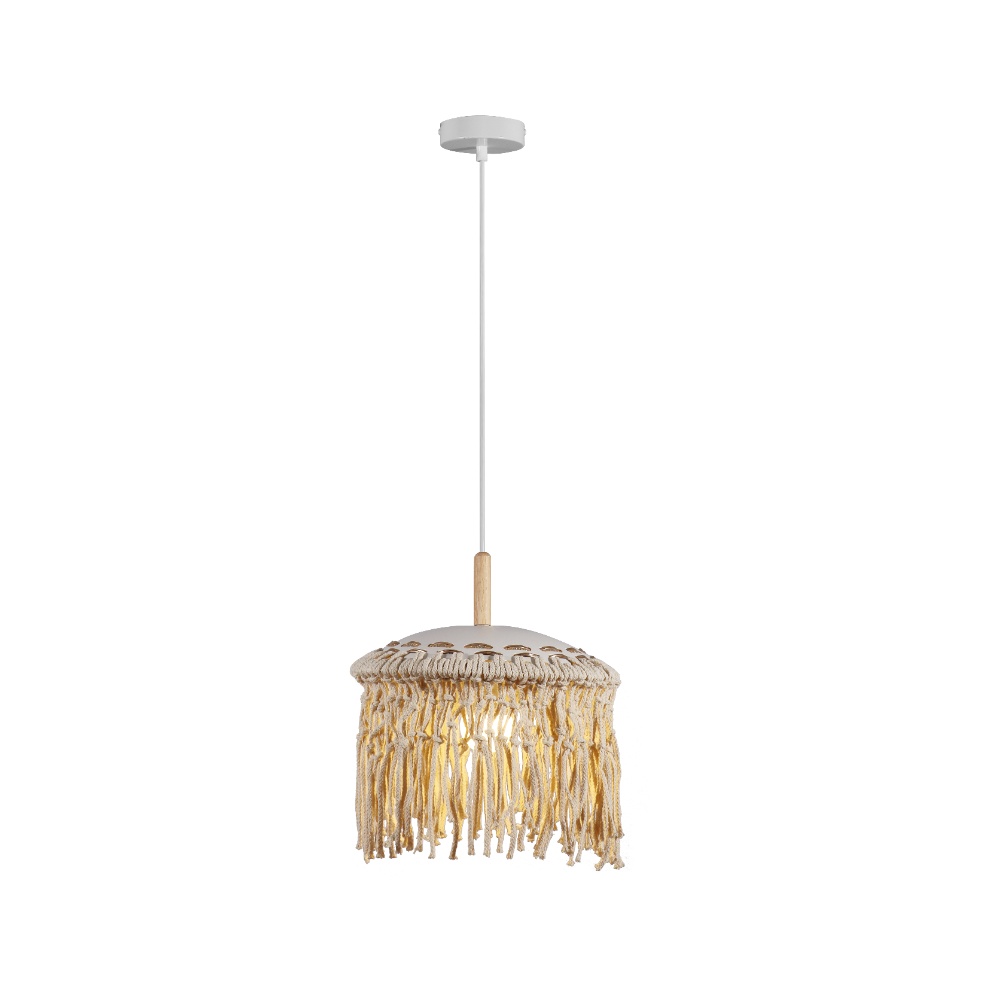
Before approving a shell pendant for a resort, compare arrival and seated views, the visible light source and the proposed arrangement—not just its side profile.
A side elevation is not the guest experience
Custom shell pendant lighting should be reviewed from the positions guests actually occupy. A pendant may present a convincing silhouette in a catalogue photograph while revealing a different composition from a lounge chair or reception queue. For resort lighting projects, approval should therefore include the underside, the surrounding sightlines and the intended lit appearance, alongside dimensions and material samples.
Start with a marked floor plan rather than a preferred hanging height. Identify where people arrive, sit and look towards the fixture. Ask the project designer to select representative viewpoints and relate them to the proposed suspension position. These are design review locations, not universal clearance rules; final placement must satisfy the project's technical and site requirements.
Three views to request before choosing the arrangement
The arrival view tests whether the pendant reads as a single form or as separate layers. Request a view that includes the nearby ceiling and architectural edges. A tightly cropped product image cannot establish the relationship between a decorative fixture and a broad reception desk, beam or opening.
The seated view addresses what the guest sees underneath. Review the opening, visible supports and the light source itself. Ask whether the proposed composition leaves the source exposed from the selected positions, and evaluate a representative lit sample where practical. Do not assume that a shell-like appearance guarantees comfortable brightness or that a rendering predicts measured lighting performance.
The neighbouring-fixture view matters when pendants repeat. Show the proposed spacing and any variation in drop within the same image or drawing. A repeated row can be assessed as a composition, whereas approving each pendant separately may leave the overall pattern unresolved. This is an approach to reviewing the design, not a fixed spacing formula.
Turn visual comments into instructions a manufacturer can use
Instead of writing “make it softer”, identify the viewpoint and the feature that needs review: the opening appears too prominent from the seating area, the suspension competes with a ceiling detail, or the lower edge interrupts a desired view. The designer and custom lighting manufacturer can then discuss a specific modification and its implications, rather than interpreting an undefined aesthetic request.
Record what “shell” means in the specification. Actual shell components, shell-shaped elements and mixed-material decoration are not interchangeable descriptions. Confirm the proposed material, approved sample and construction rather than inferring them from a product name. The accompanying product-library image is an illustration, not evidence of a completed resort installation or of suitability for an exposed coastal location.
Meiyun's role in a bespoke resort lighting brief
Zhongshan Meiyun Lighting Co., Ltd. focuses on custom-engineered decorative lighting and identifies resort public zones and shell-art decorative pendants within its project scope. The company supports concept sketches, engineering shop drawings, material-sample approval and pre-assembly testing. These stages offer opportunities to discuss how a proposed pendant will be seen, before the project team approves production.
For an open-sided or coastal resort, disclose the exposure conditions separately from the visual brief. Meiyun states that coatings, waterproof grades and electrical parameters can be adjusted for destination requirements; the actual configuration and suitability still need project-specific confirmation. A decorative material choice alone does not establish weather resistance.
What should you send with an enquiry?
Send the room plan, relevant ceiling section, intended pendant position and photographs of the principal viewing directions. Include material references and distinguish the appearance you want from any performance requirements. If the team has not settled the arrangement, describe the unresolved decision rather than presenting an early image as a final approved design.
For related procurement planning, consult our guide to custom lighting for multi-location hotel projects. When requesting a proposal from Meiyun, ask which drawings, samples and reviews are included, and which decisions must be provided by your designer or site team. That boundary makes a bespoke lighting enquiry more useful than a request to reproduce a photograph without context.