
Project Guides
Decorative Lighting Near Art: Plan the Mood and the Exposure Separately
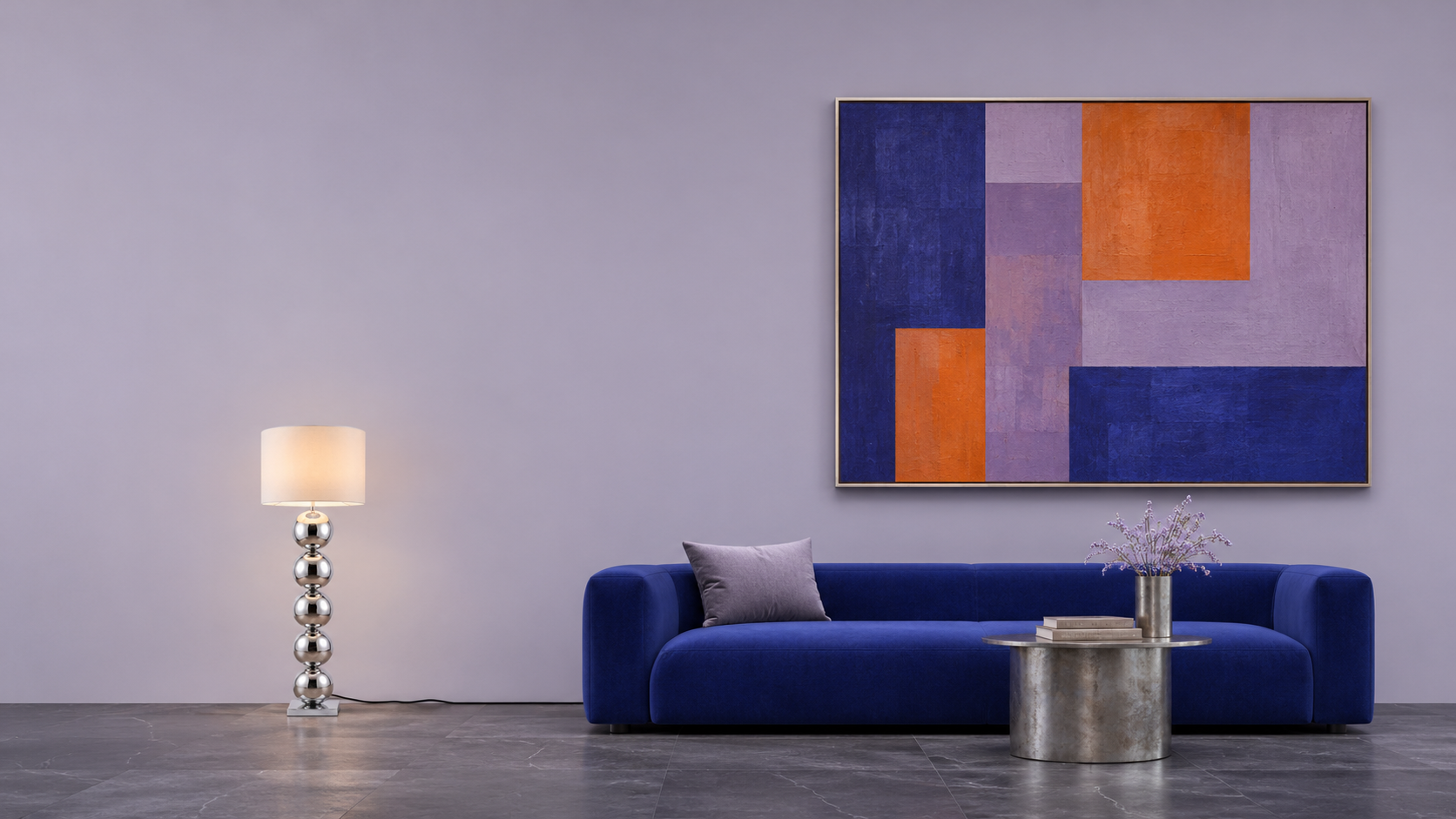
Scene illustration
A decorative lamp can make a hotel art lounge inviting without being the fitting that lights the collection. Begin with the artwork's display requirements, then decide where bespoke decorative lighting belongs. A pleasant evening appearance alone does not establish that the exposure is appropriate for the objects on display.
The artwork changes the brief
Imagine a hotel replacing a decorative reproduction with a loaned work on paper. The furniture and lamp positions remain unchanged, and the room still looks comfortable. Yet the lighting brief has changed: the incoming object may have different display conditions. This is a hypothetical planning example, not a Meiyun project or a recommendation for a particular collection.
Before selecting a custom chandelier, wall sconce or accent lamp beside art, identify what will actually be displayed and who can approve its lighting conditions. Ask the owner or conservator about material sensitivity, loan requirements and permitted display periods. A framed photograph, an oil painting and a textile should not automatically inherit one generic specification because they share a wall.
A dim-looking room can still mean a long exposure
The Canadian Conservation Institute's Environmental Guidelines for Paintings explains that light damage accumulates and cannot be reversed. Its discussion relates exposure to both light intensity and duration. For project teams, this makes operating hours part of the design question, rather than an issue to settle after the fixtures are installed. The guidance concerns paintings; it is not a universal lighting specification for every artwork.
Consider two operating decisions separately: how the room should appear while guests are present, and which sources remain on when it is empty. A modest decorative glow maintained throughout the night is still part of the artwork's lighting environment. Ask the responsible specialist to assess the proposed schedule as well as the occupied scene; do not treat a lower dimmer setting as a complete preservation plan.
Separate the luminous object from the display light
Give the decorative fixture a clear purpose in the interior: a visual anchor near seating, a material connection to the furniture, or an element that welcomes guests at the entrance. Assign the artwork's illumination to a separately defined part of the lighting design when appropriate. This lets the team discuss the collection's needs without asking a decorative lamp to solve every visual task in the room.
That separation is about responsibility, not a promise that the two systems never interact. Light from a pendant or a floor lamp can still reach the display wall. At the sample review, examine the combined arrangement, not just the artwork light in isolation. The lighting professional should evaluate the actual contribution at the objects, including relevant daylight and the room's other electric lighting.
“LED” does not settle the collection question
CCI's Technical Bulletin 36, LED Lighting in Museums and Art Galleries, identifies material sensitivity, illumination and exposure duration as major factors in light damage. The practical implication is limited but important: an LED label alone cannot establish a safe display arrangement. Obtain advice for the actual object and the proposed lighting conditions instead of accepting a generic preservation claim from a fixture description.
Keep the visual review and the conservation review connected but distinct. The designer can judge whether a glowing shade distracts from a painting. The owner or conservator determines the collection's requirements, and the lighting specialist assesses the scheme against them. An attractive rendering, a source colour description or a fixture approval cannot take the place of those decisions.
Review the room across its operating day
Use a short scene schedule to make the discussion concrete. It might include guest viewing, an evening event, cleaning and an unoccupied period. For each, record which decorative and display lights operate and who may change the setting. These are proposed review categories, not prescribed operating modes or a claim about any particular Meiyun control system.
When art is changed or moved, revisit that schedule before applying the previous settings. Even a carefully accepted installation was reviewed for a particular collection arrangement. A new object, a different wall position or a revised opening schedule can change the question. Keep a record of the accepted display arrangement so the operator knows when another review is needed.
Bring the display context to the custom lighting manufacturer
Meiyun Lighting manufactures bespoke decorative lighting for hospitality and high-end residential interiors, with support for engineering drawings, material-sample approval and pre-assembly testing. For an art-adjacent design, share the furniture plan and display locations alongside the fixture concept, dimensions, finish references and destination. Explain the decorative fixture's intended role and any project requirements issued by the responsible specialists.
Ask what construction and light-source information can be provided for the proposed configuration, and identify any sample or demonstration needed by the project team. Our custom lighting production process guide describes the manufacturing stages. That process supports development of the decorative fitting; it does not certify the conservation suitability of a collection or replace an artwork-specific lighting assessment.
The useful outcome is a room where the decorative fixture and the collection each have an intentional role, with an operating plan that staff can understand. Resolve who accepts the artwork conditions before accepting the room simply because it looks finished. The scene illustration shows a design setting only; it provides no measured exposure data and depicts no actual commissioned project.