Project Guides
Beyond the Statement Chandelier: Layered Lighting for Hotel Restaurants and All-Day Dining Spaces
A Practical Guide to Hotel Restaurant Lighting Design, Custom Decorative Fixtures, and Hospitality Interiors
Introduction: Lighting That Adapts to Every Dining Experience
In a hotel restaurant, lighting does much more than illuminate tables. It helps establish the atmosphere, complements the interior design, supports daily operations, and contributes to the overall guest experience.
A breakfast restaurant needs a welcoming and comfortable environment where guests can read menus, identify food clearly, and move easily between tables and buffet counters. During lunch, the same space may accommodate business meetings, casual dining, and family meals. In the evening, it may need a more intimate atmosphere suited to romantic dinners, private celebrations, or premium dining experiences.
For hotel owners, restaurant operators, and interior designers, this creates an important challenge: how can one lighting scheme support different activities while maintaining a consistent visual identity?
The answer lies in a coordinated lighting strategy. Ambient lighting, task lighting, accent lighting, and decorative fixtures should work together rather than compete with one another.
Custom pendant lights, statement chandeliers, wall sconces, linear fixtures, and artistic lighting installations can become defining features of hospitality interiors. When their proportions, materials, finishes, and light distribution are carefully considered, they can reinforce the restaurant concept while serving practical requirements.
This guide explores how to design effective lighting for hotel restaurants, all-day dining venues, bars, and private dining rooms, and how custom decorative lighting can help translate an interior concept into a distinctive hospitality environment.
1. Understand the Different Lighting Needs of Hotel Restaurants
Before choosing decorative fixtures, identify how each area of the restaurant will be used. Different zones require different combinations of atmosphere, visibility, and flexibility.
Hotel Breakfast Restaurants and All-Day Dining
All-day dining spaces often serve guests from early morning until late evening. The lighting therefore needs to accommodate several service periods without making the restaurant feel like a completely different space each time.
During breakfast, a brighter and more open atmosphere may complement daylight and create a fresh start to the day. At lunch, balanced lighting can support conversation and business dining. In the evening, controlled light levels and stronger visual contrast can create a warmer, more relaxed environment.
Lighting designers should consider the dining tables, buffet counters, circulation routes, service stations, and window-side seating together. Decorative fixtures can provide visual rhythm across the ceiling, while coordinated functional lighting supports the activities taking place below.
For restaurants with flexible seating arrangements, repeated pendants or modular decorative fixtures can help maintain a consistent appearance even when tables are rearranged.
Fine Dining Restaurants
Fine dining interiors often rely on carefully controlled visual hierarchy. A central chandelier, sculptural pendant, or bespoke lighting installation can become the visual centerpiece of the room.
However, a visually impressive fixture should not create uncomfortable glare or make guests' faces appear excessively shadowed. The lighting should complement table settings, food presentation, furniture, wall finishes, and the overall interior concept.
Materials such as textured glass, crystal, refined metal, and translucent stone-inspired elements can introduce visual depth. Their suitability depends on the project's design direction, technical requirements, and maintenance conditions.
In fine dining spaces, lighting should support the experience without overwhelming the restaurant's other design elements.
Hotel Bars and Lounge Areas
Bars and lounges typically require a stronger sense of atmosphere and focal points.
Pendant lights above the bar counter can establish a clear visual boundary, while decorative wall lights can add depth to seating areas. A distinctive chandelier or custom light installation may also help define the bar as a recognizable feature within the hotel.
The design should consider the height of the bar, the position of bottle displays, reflective surfaces, guest sightlines, and the distance between fixtures and surrounding furniture.
When selecting decorative lighting for a hotel bar, designers should also consider cleaning access and the impact of reflective materials under different lighting conditions.
Private Dining Rooms and VIP Spaces
Private dining rooms frequently host business dinners, celebrations, and exclusive guest experiences. Their lighting should therefore support several types of use.
A decorative pendant or chandelier above the dining table can create a visual focal point. Wall lighting and adjustable lighting scenes can make the room feel more intimate, while suitable general lighting remains important for meetings and other activities.
If the private dining room is designed to accommodate different events, independent lighting controls can improve flexibility.
The most effective solution is one that balances visual character, practical functionality, and the intended level of service.
2. Use Four Layers of Lighting to Create Depth
A successful hotel restaurant lighting design usually combines several layers. Each layer has a different purpose, and the overall result depends on how well they are coordinated.
Ambient Lighting: Establishing the Overall Environment
Ambient lighting provides general illumination for the room. It may come from recessed fixtures, indirect ceiling lighting, architectural lighting, wall illumination, or a combination of sources. The aim is to establish a comfortable visual environment without creating unnecessary brightness or harsh contrasts. Decorative fixtures can contribute to ambient illumination, but they should not automatically be expected to satisfy every functional lighting requirement. For example, a sculptural chandelier may provide strong decorative value while delivering limited light to the surrounding tables. Additional lighting may be necessary to achieve a balanced result.
Task Lighting: Supporting Dining and Service
Task lighting supports specific activities, such as reading menus, identifying dishes at a buffet, preparing drinks, or carrying out service tasks. Its placement and light distribution are particularly important. A pendant that creates a bright spot on one table but leaves nearby faces in deep shadow may look dramatic in a photograph, yet feel uncomfortable during an actual meal. Designers should evaluate the relationship between fixture height, beam distribution, table dimensions, and surrounding lighting.
Accent Lighting: Highlighting Architectural Features
Accent lighting draws attention to selected features, such as textured walls, artwork, decorative shelving, architectural details, or a restaurant's signature display. It can be used to create visual depth and direct attention through the space. When accent lighting is coordinated with wall finishes and decorative fixtures, it can help make a large dining area feel more layered and visually organized.
Decorative Lighting: Expressing the Restaurant’s Identity
Decorative lighting gives a hospitality interior its visual character. A contemporary restaurant may use sculptural pendants, a minimalist chandelier, or linear lighting with refined metal details. A resort-style restaurant may incorporate softer glass textures, organic forms, or woven elements. A luxury dining venue may require a more elaborate statement fixture. The key is to select decorative lighting that belongs naturally within the interior concept. Rather than choosing fixtures independently, designers should evaluate how their shapes, materials, finishes, and proportions relate to the furniture, architecture, and brand identity.
3. Design Lighting for Different Service Periods
One of the most important considerations in all-day dining is adaptability. A fixed lighting arrangement may provide a suitable atmosphere at one time of day but feel too bright or too subdued at another. Where appropriate, dimming and lighting controls can help the restaurant respond to its changing operational needs.
Breakfast: Bright, Welcoming, and Comfortable
Breakfast service generally involves frequent movement, buffet circulation, and guests entering and leaving at different times. The lighting scheme should provide sufficient visibility around dining tables, food displays, and walkways. Where natural daylight is available, it should be considered as part of the overall design. Decorative pendants can help organize the dining area visually, while functional lighting supports the practical requirements of service.
Lunch: Balanced and Versatile
Lunch may include business meetings, casual dining, or guests using the restaurant between other activities. A balanced lighting environment can support conversation and dining without becoming excessively dramatic. The relationship between table lighting, background brightness, and window light deserves particular attention.
Dinner: Warm and Atmosphere-Driven
Evening service often benefits from greater visual contrast and a more intimate atmosphere. Decorative pendants, chandeliers, wall sconces, and accent lighting can establish focal points while allowing the surrounding space to feel calmer. If dimming is used, specify the expected control method and confirm compatibility between the control system, drivers, and fixtures.
Events and Private Functions
Some hotel restaurants also host private dinners, receptions, and small events. In these environments, lighting scenes may need to accommodate dining, presentations, speeches, or celebrations. A clearly documented control strategy can make it easier for hotel staff to adjust the room without changing individual fixtures manually. The available scenes should be determined by the actual operating model of the venue.
4. Choose Decorative Lighting That Matches the Interior Concept
A decorative fixture should complement the interior rather than compete with it. Its form, finish, scale, and light quality should be considered in relation to the entire space.
Contemporary Luxury Restaurants
Contemporary luxury interiors often benefit from well-proportioned chandeliers, sculptural glass pendants, refined metallic structures, or carefully arranged clusters of decorative lights. The visual quality of the fixture when switched off is important too. Material texture, surface finishing, structural details, and the way components fit together all affect the final impression. For custom projects, designers can explore variations in overall dimensions, finish, and selected materials, subject to design and manufacturing feasibility.
Natural and Organic Dining Concepts
Restaurants inspired by nature may incorporate soft forms, textured glass, natural-stone-inspired elements, warm metal finishes, or woven decorative details. These materials can introduce a more tactile quality to the space and help connect the lighting concept with natural textures found in the furniture and architecture. In a commercial setting, the selection process should also consider cleaning access, durability, material consistency, and future replacement requirements.
Modern Casual Restaurants
Repeated pendants, simple linear fixtures, and small lighting clusters can help establish rhythm across large dining areas. Consistent spacing and mounting heights create an organized ceiling composition. A distinctive fixture above the host stand or buffet can then establish a clear visual hierarchy. Custom dimensions may be worth discussing when standard product sizes do not align with the restaurant's furniture layout or architectural proportions.
Resort and Destination Restaurants
Restaurants in resorts and destination hotels often draw inspiration from the surrounding landscape, architecture, and local design character. Glass, metal, stone-inspired materials, and selected woven elements can be considered as part of a broader design direction. The lighting should relate to the entire guest experience, including the entrance, seating arrangement, surrounding views, and connection between indoor and outdoor areas. Any fixtures intended for outdoor or exposed environments require separate consideration of the applicable environmental and technical requirements.
5. Make Pendant Lights and Chandeliers Proportionate to the Space
Correct scale is essential to successful restaurant lighting. A fixture that is too small may disappear within a large dining room. One that is oversized or suspended at an unsuitable height may obstruct views, interfere with circulation, or dominate the tables beneath it.
Before finalizing a decorative fixture, coordinate the following details:
- Overall width, height, and depth.
- Ceiling height and suspension length.
- Mounting position and structural support.
- Center-to-center spacing for repeated pendants.
- Relationship to tables, counters, booths, and circulation paths.
- Clearance from sprinklers, HVAC equipment, access panels, and other ceiling services.
- Access required for installation, cleaning, and maintenance.
A row of pendants above a long dining table or bar counter should be coordinated with the furniture plan. The positions should look intentional from both the seated guest's viewpoint and the main circulation routes.
For complex installations, consider a physical sample, a mock-up, or an on-site review before approving the final dimensions.
Drawings and renderings are useful, but they should be reviewed alongside installation conditions and the actual layout.
6. Select Materials and Finishes for Hospitality Environments
Hotels and restaurants are demanding operating environments. Decorative fixtures may run for long periods and require regular cleaning. Material choice should therefore account for both appearance and practical maintenance.
Glass Lighting
Glass can introduce transparency, texture, color, diffusion, and reflection. Depending on the design, it may be used for individual pendants, clustered installations, chandeliers, or decorative wall lights. Different glass treatments can produce very different visual effects, so the material and finish should be clearly defined during sample approval.
Metal Lighting
Metal components can provide structure and visual definition. Brushed, polished, matte, or other specified finishes may be selected to complement restaurant furniture, door hardware, taps, and other interior details. When a project contains multiple fixtures, documenting the approved metal finish helps maintain consistency across different spaces and repeat orders.
Crystal and Reflective Decorative Elements
Crystal and other reflective decorative elements can introduce sparkle and visual depth, particularly in fine dining rooms, hotel lounges, and premium restaurant interiors. The result depends on fixture geometry, the arrangement of components, the quality of finishing, and the way light interacts with surrounding materials. Cleaning access and replacement of decorative parts should be considered at the design stage.
Natural-Stone-Inspired Lighting
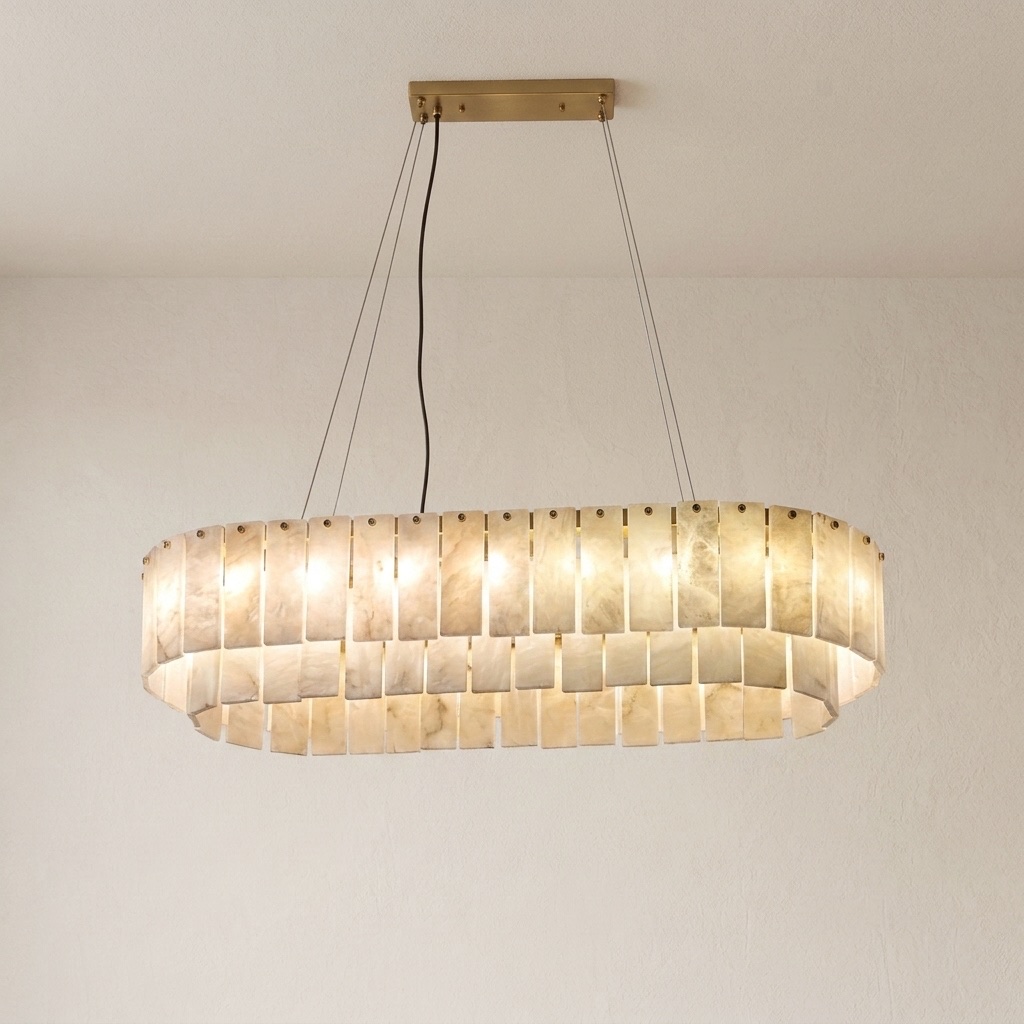
Stone-inspired decorative lighting can add a distinctive material character to hospitality interiors. Depending on the concept and product design, these elements may be considered for statement pendants, chandeliers, or coordinated decorative lighting collections. Designers should review the actual material specification, product weight, installation requirements, and maintenance implications rather than making assumptions based on appearance alone.
Woven and Textured Materials
Woven elements and textured finishes may suit relaxed restaurant concepts, resort dining spaces, or interiors that emphasize natural materials. Their suitability depends on the particular material, the operating environment, and the project's cleaning and maintenance expectations. For all material types, retain approved samples or detailed finish references when repeat purchasing and long-term consistency are important.
7. Coordinate Decorative Lighting with Technical Requirements
A visually appealing fixture still needs to work as part of the building's electrical and lighting system. The technical brief should identify the destination market and any applicable electrical, testing, or certification requirements. These requirements should be confirmed with the project team rather than assumed to be identical across countries or installation types.
The specification may need to address:
- Input voltage and frequency.
- Lamp or LED module information.
- Driver position and access.
- Color temperature and color-rendering requirements.
- Dimming method and control-system compatibility.
- Installation and wiring details.
- Required testing documents or certifications.
- Maintenance and component replacement.
Visual comfort is another important consideration. Review the fixture from normal seated and standing viewpoints. Consider whether exposed light sources may cause glare and whether polished or transparent materials create unwanted reflections.
If the project has specific requirements for color consistency, dimming behavior, or other light-quality parameters, record them in the technical schedule and verify them during sample approval.
8. Plan Cleaning, Maintenance, and Replacement Early
Hotel restaurants may operate for extended hours, leaving limited opportunities for maintenance. A decorative fixture should therefore be evaluated not only for its appearance but also for the practical effort required to keep it in good condition.
Before approving the final design, ask:
- How are the decorative components cleaned?
- Can key parts be removed safely?
- How are light sources and drivers accessed?
- Can replacement components be identified by product code?
- Is special access equipment required?
- What information should be retained for future maintenance?
Large chandeliers and complex installations may require specific cleaning and inspection procedures. These procedures should be considered before the fixture is installed, especially where ceiling heights are substantial.
For hotel groups with multiple properties, retain a project file containing approved drawings, item codes, finish references, relevant technical information, and spare-part details.
This documentation supports repairs, refurbishment, and repeat purchasing, while helping maintain a consistent appearance across locations.
9. How to Prepare a Custom Restaurant Lighting Brief
Custom decorative lighting development is generally more efficient when the manufacturer receives clear visual references and measurable project requirements. For a hotel restaurant, bar, or dining venue, prepare the following information before requesting a quotation.
Project information
- Project type and installation location.
- Interior concept and relevant reference images.
- Estimated quantities and intended delivery schedule.
- Destination market and applicable technical requirements.
Design information
- Floor plans, reflected ceiling plans, elevations, or annotated images.
- Overall fixture dimensions and suspension lengths.
- Mounting details and structural constraints.
- Preferred materials, colors, and finishes.
- Details that must remain unchanged and aspects open to development.
Lighting and technical information
- Light source or LED requirements.
- Color temperature and color-rendering preferences.
- Dimming and control requirements.
- Relevant electrical documentation and required approvals.
- Access and maintenance considerations.
Procurement information
- Required sample and drawing approval stages.
- Packaging and delivery requirements.
- Spare-part expectations.
- Contact person responsible for design approval and revisions.
If the concept is still under development, separate confirmed requirements from open questions. For example, the restaurant may already have fixed pendant dimensions but still be comparing glass textures or metal finishes. This makes it easier to assess suitable options while preserving the essential design intent.
10. How Meiyun Lighting Can Support Hotel and Restaurant Projects
Zhongshan Meiyun Lighting Co., Ltd. provides B2B custom decorative lighting solutions for hospitality, residential, and commercial interiors.
For hotel owners, restaurant groups, interior design studios, contractors, distributors, and professional sourcing teams, Meiyun can discuss custom lighting requirements based on project drawings, reference images, and agreed specifications.
Custom Decorative Lighting for Hotel Restaurants
For fine dining restaurants, all-day dining venues, buffet restaurants, and private dining rooms, Meiyun can discuss decorative lighting concepts such as pendant lights, chandeliers, coordinated fixture groups, and other decorative forms that complement the interior design. Customization discussions may include fixture dimensions, selected materials, surface finishes, and structural details, depending on the project's requirements and manufacturing feasibility. The objective is to help project teams explore a suitable decorative lighting direction while defining the specifications that need to be confirmed before sampling and production.
Custom Lighting for Hotel Bars and Lounges
Hotel bars and lounges often require a distinctive focal point that reinforces the interior concept. Meiyun can discuss decorative lighting ideas for bar counters, lounge seating, feature areas, and coordinated interior schemes. Glass, metal, crystal, natural-stone-inspired designs, and woven elements may be explored where appropriate for the intended application and product design. The selected fixtures should be coordinated with ceiling dimensions, furniture layouts, sightlines, technical requirements, and maintenance expectations.
Coordinated Lighting Across Hotel Spaces
Hotel projects may include restaurants, lobbies, guest rooms, suites, corridors, and other public areas. Where the project requires a consistent design language, related decorative fixtures can be considered together so that materials, finishes, proportions, and visual details work as part of a coordinated interior concept. For hotel groups and multi-property projects, maintaining clearly identified products and approved references can also help teams manage repeat orders and future refurbishment work.
Development Based on Customer Drawings and References
For customers who already have a design concept, Meiyun can review drawings or reference images to discuss potential custom development. Depending on feasibility and the agreed project scope, the discussion may cover custom dimensions and proportions; material and surface-finish options; selected structural or component details; coordination between related decorative fixtures; and drawing review and sample confirmation before production. Final specifications, technical compliance, certifications, lead times, and manufacturing arrangements should be confirmed for each individual project.
Who Can Work with Meiyun Lighting?
Meiyun welcomes inquiries from hotel owners and hospitality groups; restaurant brands and F&B operators; interior designers and architecture studios; hotel renovation and commercial fit-out contractors; lighting distributors and B2B buyers; and project procurement and sourcing teams.
To start a discussion, send your project overview, drawings or reference images, estimated quantities, preferred materials and finishes, technical requirements, destination market, and target schedule.
Meiyun Lighting aims to help professional buyers translate lighting concepts into clearly specified custom decorative lighting for hospitality and commercial interiors.
Frequently Asked Questions
1. What is the best lighting approach for a hotel restaurant?
A coordinated layered approach is usually the most flexible. Ambient lighting establishes the overall environment, task lighting supports dining and service, and accent and decorative lighting create visual identity. The final scheme should reflect the restaurant layout, operating hours, interior concept, and technical requirements.
2. How can a hotel restaurant use the same lighting throughout the day?
Where appropriate, dimming and control scenes can help the restaurant adapt to breakfast, lunch, dinner, cleaning, and private events. Compatibility between fixtures, drivers, and control systems should be confirmed during the design and sample-review process.
3. Which decorative lights are suitable for hotel dining rooms?
Pendant lights, chandeliers, wall sconces, linear fixtures, and clustered decorative installations may all be suitable. The choice depends on ceiling height, table layout, interior concept, light distribution, cleaning requirements, and the role of the fixture within the overall scheme.
4. What should be considered when choosing restaurant pendant lights?
Important considerations include fixture size, suspension length, spacing, mounting position, glare control, relationship to furniture, and access for installation and cleaning. Product dimensions should be coordinated with the reflected ceiling plan and furniture layout.
5. Can decorative lighting be customized for a hotel or restaurant brand?
Customization may be possible depending on the design and manufacturing feasibility. Project discussions can include dimensions, materials, finishes, and selected structural details based on customer drawings or reference images. The agreed scope should be documented and approved before production.
6. Which materials work well for hotel restaurant lighting?
Glass, metal, crystal, natural-stone-inspired elements, and woven materials may all be considered, depending on the interior concept and intended application. Material selection should account for appearance, installation requirements, cleaning, maintenance, and the expected operating environment.
7. What information should be sent to a custom lighting manufacturer?
Provide drawings or annotated reference images, dimensions, quantities, materials and finishes, light-source and control requirements, destination market, target delivery date, and relevant technical or certification requirements. Clear information helps the supplier evaluate feasibility and prepare a more meaningful quotation.
8. Why should samples be approved before bulk production?
Samples help the project team review the actual appearance, finish, proportions, component details, and lighting effect. Written approval and controlled drawing versions reduce the risk of misunderstandings when several fixtures or repeat orders are involved.
9. Can the same decorative lighting design be used across several hotel properties?
Potentially, but each property’s ceiling conditions, electrical requirements, installation environment, and local compliance needs should be reviewed. A common design language can be maintained while documenting any approved changes to dimensions, materials, finishes, or configurations.
10. How can hotel restaurant lighting be easier to maintain?
Plan cleaning access, safe removal of decorative components, driver or light-source replacement, and spare-part identification before installation. Retaining approved drawings, item codes, finish references, and maintenance information also supports long-term consistency.
Conclusion: Make Lighting Part of the Guest Experience
Effective hotel restaurant lighting is not defined by a single spectacular chandelier. It comes from the way ambient, task, accent, and decorative lighting work together throughout the day.
From breakfast restaurants and buffet areas to fine dining rooms, hotel bars, and private dining spaces, each environment has its own combination of atmosphere, operational, design, and maintenance requirements.
For hotel developers, restaurant operators, interior designers, and procurement teams, early coordination between the lighting concept, fixture specifications, technical requirements, and manufacturing process can help reduce uncertainty before production begins.
Planning a hotel restaurant, bar, all-day dining venue, or hospitality renovation?
Contact Zhongshan Meiyun Lighting Co., Ltd. to discuss your custom decorative lighting project. Share your drawings, reference images, fixture schedule, preferred materials, and project requirements to explore suitable lighting options for your space.
ZHONGSHAN MEIYUN LIGHTING CO., LTD.
Website: www.meiyunlighting.com | www.meiyunlight.com
Email: sharen@meiyunlighting.com