
Project Guides
Lighting for Coastal Hotels and Resorts: Material Choices, Durability and Atmosphere
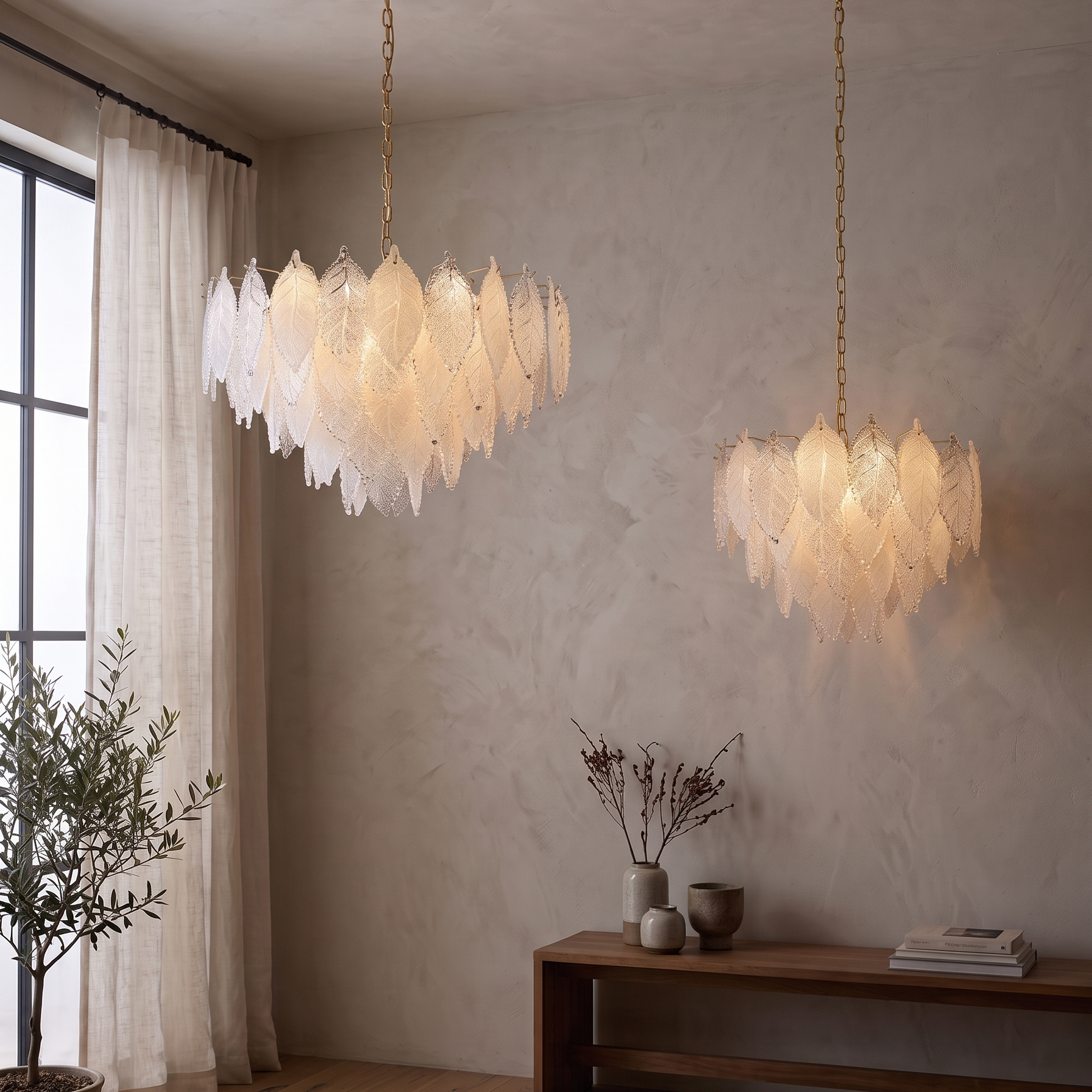
A project guide to coastal aesthetics, environmental exposure and long-term maintenance
Introduction: Coastal Lighting Must Perform as Well as It Looks
Coastal hotels and resorts often combine natural textures, open views, relaxed colors, and generous daylight. Decorative lighting carries the design into the evening, helping connect reception, guest rooms, restaurants, terraces, and circulation spaces. Yet coastal environments can expose fixtures to humidity, salt-laden air, wind, UV radiation, and demanding cleaning routines.
The most effective approach is to align the visual concept with the actual installation environment. A fixture that performs well in a dry interior lobby may not be appropriate for an exposed terrace or a poolside location.
1. Classify Each Fixture by Its Exact Location
Do not treat the whole resort as one environment. Separate dry indoor spaces, humid interiors, covered outdoor areas, exposed exterior locations, pool zones, and areas close to the sea. Each location may have different requirements for ingress protection, materials, coatings, fasteners, seals, wiring, and maintenance.
Prepare a fixture schedule that identifies the intended location and exposure for each product. This gives designers, suppliers, and electrical professionals a clearer basis for confirming technical suitability before the order is placed.
2. Understand What Coastal Exposure Can Do to Finishes
Salt deposits, moisture, UV exposure, temperature changes, and cleaning chemicals can affect finishes in different ways. The name of a finish—such as brass, bronze, black, or champagne gold—does not by itself establish corrosion resistance. Ask for the relevant material and coating information and confirm whether it is appropriate for the intended location.
Where appearance is important, request a sample and review the finish under realistic conditions. Document the approved color and surface treatment, while allowing for any expected variation in natural or hand-finished materials.
3. Choose Materials for Both Aesthetics and Maintenance
Glass and crystal can add sparkle and visual lightness; metal can provide structure and contrast; stone can introduce texture and a sense of permanence; woven materials may support a relaxed resort identity. Each material has different weight, cleaning, moisture, and environmental requirements.
Natural stone can vary in color, veining, and translucency. Glass may collect water marks or salt deposits in exposed locations. Some woven or porous materials may be better suited to protected interiors than outdoor use. Choose materials with the operator’s cleaning routine and replacement strategy in mind.
4. Design for Daylight, Nighttime Views and Glare
A fixture may be viewed against bright daylight in the afternoon and reflected in glass after sunset. In guest rooms and restaurants, poorly controlled light can create glare or mirror-like reflections that obscure the view. Check source brightness, shade design, beam direction, and reflections from typical guest positions.
Consider the effect of the lighting on nearby rooms, neighboring properties, and the surrounding environment. Avoid unnecessary upward spill and use controlled optics where appropriate. The aim is to create a welcoming nighttime atmosphere without overpowering the landscape or the view.
5. Connect Indoor and Outdoor Spaces Without Ignoring Technical Differences
Guests may move from reception to a lounge, restaurant, terrace, garden path, and guest room in one continuous journey. A coordinated decorative language can connect these spaces through similar forms, proportions, or finishes. However, indoor and outdoor versions may need different construction, seals, materials, and ratings.
Do not assume that a matching appearance means the products are technically interchangeable. Coordinate fixture design with the architect, landscape designer, lighting consultant, and electrical engineer so that the concept remains coherent while each fitting is specified for its location.
6. Verify Ratings, Mounting and Electrical Details
Ingress protection, electrical classification, grounding, cable entry, driver placement, drainage, mounting hardware, and service access should be checked against the exact environment. Poolside, exposed coastal, and wet locations may have additional local requirements. The qualified project team should confirm the applicable standards and installation details.
Technical documentation should be reviewed before approval, not after fixtures arrive on site. Include installation instructions and maintenance information in the handover package so contractors and operators understand how the product should be installed and cared for.
7. Plan Cleaning and Long-Term Appearance
A resort’s lighting is part of the guest experience over many seasons. Define appropriate cleaning methods, inspection intervals, replacement parts, and finish references. Cleaning products should be compatible with the fixture materials and coatings. Avoid assuming that a method suitable for glass is also suitable for plated metal, natural stone, or coated surfaces.
For repeated fixtures across multiple buildings, approve samples and document acceptable variation. Keep records of product codes, finishes, drivers, and spare components so that repairs do not introduce obvious differences into the original design.
8. Consider Lifecycle Cost During Procurement
The purchase price is only one part of the cost of a coastal lighting installation. Difficult access, frequent cleaning, premature finish deterioration, hard-to-replace drivers, and inconsistent replacement products can all add operational expense. During design review, consider how each fixture will be inspected, cleaned, repaired, and replaced.
Early coordination between design and procurement can help identify a practical balance between visual quality, environmental suitability, installation complexity, and ongoing maintenance.
9. Coastal Hotel and Resort Lighting Checklist
- Record the exact indoor, covered outdoor, exposed outdoor, wet, or poolside location of every fixture.
- Confirm material, coating, ingress protection, and electrical requirements with qualified professionals.
- Review finish samples and cleaning compatibility before approval.
- Test glare and reflections from guest viewpoints and nighttime window views.
- Coordinate indoor and outdoor fixture families while allowing for different technical construction.
- Document mounting, wiring, driver access, maintenance instructions, and replacement parts.
- Evaluate lifecycle maintenance needs as well as initial purchase cost.
Frequently Asked Questions (FAQ)
Can indoor decorative lights be used outdoors at a resort?
Not automatically. Suitability depends on construction, electrical ratings, materials, finishes, exposure conditions, and local regulations.
Does a brass or black finish mean a fixture is corrosion-resistant?
No. Finish names describe appearance, not guaranteed performance. Confirm the material, coating system, and suitability for the actual exposure.
Are glass and stone suitable for coastal lighting?
They may be suitable in selected locations, but weight, fixing, moisture exposure, cleaning, and maintenance must be assessed for the specific product and environment.
How can resorts keep a consistent design across indoor and outdoor areas?
Use a coordinated visual language while specifying construction and ratings separately for each installation location.
What information should be sent to a lighting supplier?
Provide the location and exposure, drawings, dimensions, preferred material and finish, quantity, destination market, applicable technical standards, and project timeline.
How Meiyun Lighting Can Support Your Project
Zhongshan Meiyun Lighting Co., Ltd. provides OEM and ODM custom decorative lighting development for hospitality, residential, and commercial projects. We work with importers, interior design studios, lighting consultants, contractors, project buyers, and cross-border sellers to discuss product concepts and manufacturing requirements.
For resort and coastal hospitality concepts, Meiyun can discuss custom decorative fixtures and material or finish options based on the design brief. Each product’s suitability for indoor, covered outdoor, or exposed locations must be reviewed against the project’s technical requirements before specification.
- Custom development based on drawings, reference images, approved samples, or a written design brief.
- Material and finish discussions covering glass, crystal, metal, and stone-inspired options such as marble, onyx, and travertine, subject to design and technical feasibility.
- Project-specific dimensions, mounting details, finishes, and fixture configurations.
- Drawing and sample review before production, helping project teams identify design or installation questions early.
- Manufacturing and export coordination, with specifications documented to support repeat orders and multi-phase projects.
To start a conversation, send your drawings or reference images, target dimensions, material and finish preferences, project quantity, destination market, and required timeline. The more clearly the installation conditions and performance requirements are defined, the easier it is to evaluate a suitable custom solution.
Meet Meiyun Lighting at the Canton Fair
The Canton Fair is taking place in Guangzhou from October 15–19, 2026. If you are visiting the fair, we welcome you to meet Meiyun Lighting at booth 14.4 H06 and discuss custom decorative lighting for upcoming hotel, retail, resort, and commercial projects. If you cannot visit in person, contact us to arrange a follow-up conversation after the fair.
Email: sharen@meiyunlighting.com | Websites: www.meiyunlighting.com and www.meiyunlight.com