Project Guides
Custom Lighting for Mosques and Cultural Spaces: Respecting Architecture Through Light
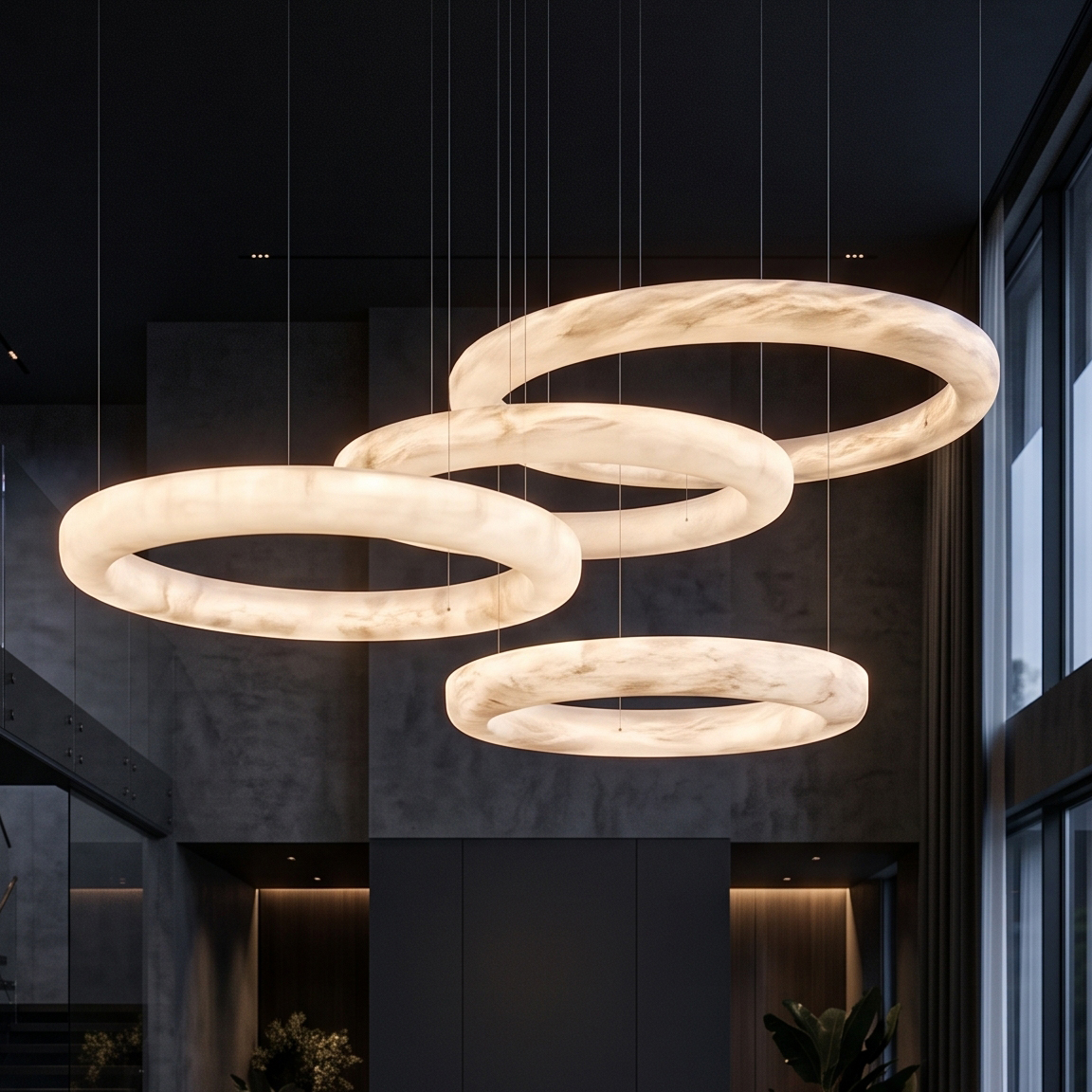
Cover: approved product-library reference, not a photograph of a completed mosque or cultural project.
PROJECT & PROCUREMENT GUIDE
Introduction
Lighting in mosques and cultural spaces should support the meaning and character of the architecture. Whether a project features a central dome, patterned screens, intricate details, or a quiet contemporary interior, the right lighting can enhance spatial rhythm and create a welcoming atmosphere. Thoughtful custom lighting begins with respect for the building, its community, and the way the space is used.
1. Start with the Architecture and Community
Every cultural project has its own context. Before proposing a decorative fixture, the design team should understand the building’s architectural language, local traditions, patterns, materials, and the expectations of the people who use it. Reference images and conversations with the client help define the right balance between a distinctive feature and a design that feels appropriate to the space.
2. Use Decorative Lighting with Restraint
A central chandelier or a series of pendants may become a focal point, especially beneath a dome or in a main gathering area. The fixture’s proportions, ornament, finish, and light distribution should complement the architecture rather than compete with it. In spaces with rich decorative details, a simpler fixture may provide balance; in restrained interiors, a carefully designed feature can add warmth and identity.
3. Respect Patterns, Geometry, and Materials
Geometric motifs, calligraphy, carved details, and patterned surfaces can be important parts of a cultural interior. Lighting should reveal these features without creating excessive glare or harsh shadows. Metalwork, glass, crystal, stone, and other materials can be selected to suit the design language, but their colour, reflectivity, weight, and maintenance requirements need to be considered together.
4. Create Comfortable Light for Different Uses
Mosques and cultural venues may be used for daily gatherings, prayer, study, community events, or special occasions. The lighting plan should account for the needs of each activity. Appropriate colour temperature, glare control, evenness, and dimming or scene control—where required—can help create a calm and comfortable environment. The decorative fixture should be coordinated with the broader lighting scheme.
5. Consider Scale, Structure, and Installation
Large domes and high ceilings create challenges for fixture size, suspension, cleaning, and maintenance. The design team should confirm structural support, total weight, fixing points, access for installation, and the means of future servicing. If a fixture is assembled from multiple sections, drawings and clear labelling can help the installation team work safely and accurately.
6. Customisation and Approval
Custom projects may require specific dimensions, finishes, motifs, materials, or a coordinated family of fixtures. A clear approval process is especially important: confirm drawings, finish samples, lighting specifications, and the prototype or sample before mass production. Cultural references should be reviewed by the client and relevant stakeholders to ensure the design is appropriate and accurately interpreted.
7. Coordinate Technical Requirements Early
Electrical and fire-safety requirements, local building codes, emergency lighting, and any project-specific standards must be checked with the responsible professionals. For international projects, the buyer should identify the destination market and required documentation early. This avoids assumptions about compliance and helps the manufacturer prepare the right technical information.
Begin with Architectural and Cultural Context
Gather architectural drawings, interior photos, material references, and the client’s design priorities. Confirm cultural or community considerations with the client and relevant stakeholders before finalising motifs or decorative details.
Balance a Focal Fixture with the Whole Space
A central chandelier may suit a large prayer hall or dome, while wall fixtures or smaller coordinated pendants may work better in other areas. Review the fixture from entrances, floor level, galleries, and gathering areas to ensure it supports the architecture and circulation.
Review Geometry, Materials, and Light Effects
Patterned metalwork, glass, crystal, stone, and other materials transmit or reflect light differently. Review real samples where possible because texture, colour, thickness, and finish can look different under actual lighting than in a digital image.
Comfort, Use, and Long-Term Care
Consider the venue’s different activities, glare control, comfortable visibility, and desired lighting scenes. High ceilings require early planning for fixture weight, structural support, installation access, cleaning, and future maintenance.
Approve Design Details Before Production
Record the approved drawing version, sample reference, acceptable natural-material variation, quantity, and technical requirements. Culturally significant details should be reviewed by the client and appropriate stakeholders.
Common Mistakes to Avoid
- Using a generic decorative style without understanding the building or community context.
- Choosing fixture scale without checking ceiling height and circulation.
- Ignoring glare and reflections from patterned or polished materials.
- Forgetting maintenance access for high-level fixtures.
A Practical Project Checklist
- Architectural plans, ceiling height, dome details, and interior photographs.
- Client-approved design direction, material palette, and finish samples.
- Fixture dimensions, weight, mounting, and maintenance access reviewed by qualified professionals.
- Lighting needs for different activities and coordination with the overall scheme.
- Quantity, destination market, sample approval, and required compliance documents.
What Zhongshan Meiyun Lighting Co., Ltd. Can Do
Zhongshan Meiyun Lighting Co., Ltd. focuses on decorative lighting and custom project enquiries. For this type of project, Meiyun can discuss decorative fixture selection and project-specific customisation based on the client’s reference images, drawings, dimensions, material preferences, finishes, and estimated quantities. Depending on the design, discussions may cover fixture proportions, material combinations, finish options, mounting details, sample requirements, production considerations, and coordinated fixture styles. Specific feasibility, available materials, minimum quantities, technical performance, samples, certifications, lead time, warranty, and commercial terms must be confirmed for each product and project.
Information to Include in Your Enquiry
- Project type, location, and intended application.
- Drawings or reference photos, dimensions, ceiling or mounting conditions, and preferred style.
- Materials, finish references, estimated quantity, and whether a sample is required.
- Destination country, target delivery date, and any required technical documents or certifications.
Conclusion
Successful lighting for mosques and cultural spaces is guided by respect: respect for architecture, community, material, and practical use. With careful consultation and detailed custom development, decorative lighting can enhance the space without taking attention away from its deeper character.
Meiyun Lighting develops custom decorative fixtures based on project drawings, reference images, and client requirements. Contact us with your concept, dimensions, preferred materials, quantity, and installation context to begin a design discussion.
Frequently Asked Questions
Can Meiyun customise lighting for a mosque or cultural project?
Meiyun can discuss decorative-lighting customisation based on drawings, reference photos, dimensions, materials, finishes, quantities, and project requirements.
Can a chandelier be customised to match architectural patterns?
Possible options may include proportions, materials, finishes, and selected decorative details. Culturally significant motifs should be approved by the client and relevant stakeholders.
What should be checked for a high-ceiling installation?
Confirm fixture weight, support structure, fixing details, access equipment, assembly sequence, and maintenance method with the responsible project professionals.
Can you supply the required certificates?
Please specify the destination country and exact certification requirements. Availability and applicability must be verified for the proposed product.
Should we approve a sample first?
A sample or finish sample is helpful when material, colour, pattern, or light effect is central to the design. Sample cost and timing should be agreed for the project.