
Project Guides
Hotel Guest Room Lighting Design: Balancing Comfort, Function and Brand Identity
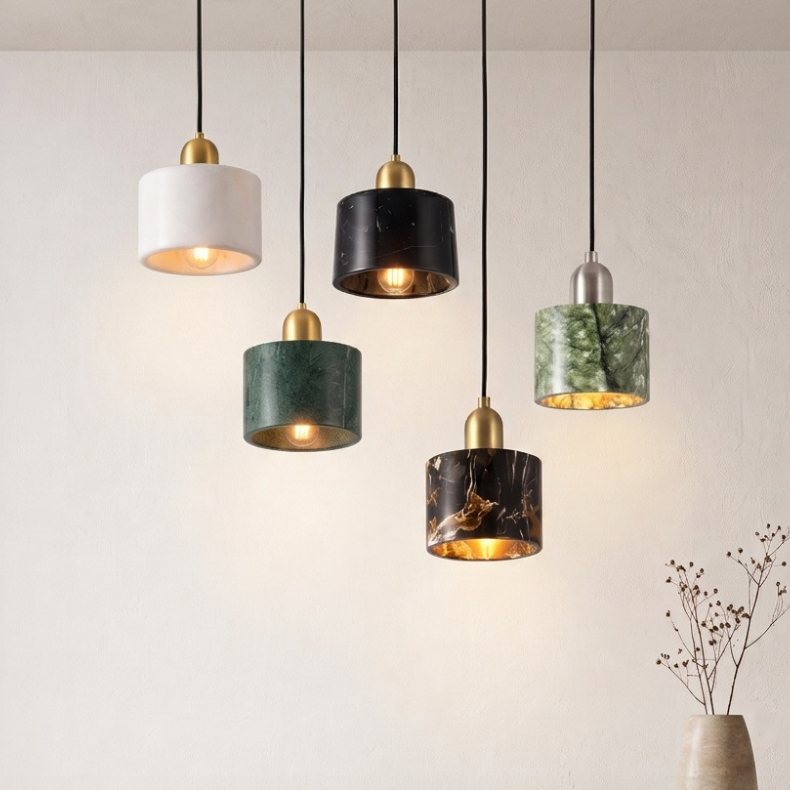
A practical guide to layered lighting, guest controls and custom decorative fixtures
Introduction: Guest Room Lighting Shapes the Stay
Hotel guest room lighting influences how visitors feel from the moment they enter. It helps guests unpack, read, work, get ready, relax, and find their way around the room at night. A room may have beautiful furniture and premium finishes, but if the light is harsh, controls are confusing, or bedside reading is uncomfortable, the overall experience can feel less considered.
For hotel owners, interior designers, lighting consultants, procurement teams, and contractors, guest room lighting should be treated as part of the complete room concept. The strongest plans combine ambient, task, accent, and decorative lighting with simple controls and specifications that can be repeated consistently across many rooms.
1. Begin with the Guest Journey, Not the Fixture List
Before selecting luminaires, map the way a guest uses the room. Consider the entrance, luggage area, wardrobe, bed, bedside tables, desk, mirror, bathroom route, and windows. Ask what a guest needs to see at each point and which lights should be available without illuminating the entire room. This approach helps avoid a common problem: a room full of fixtures that each look attractive but do not work together.
Create a simple schedule of activities—arrival, unpacking, working, reading, relaxing, getting ready, and nighttime movement. Each activity can inform the lighting layers, switching groups, and control locations. For example, a guest should be able to find the entrance switch immediately, operate a reading light from the bed, and use a low-level route light without turning on all ceiling lights.
2. Use Four Complementary Lighting Layers
Ambient lighting
Ambient lighting provides the room’s general level of illumination. Recessed downlights, cove lighting, ceiling fixtures, or indirect sources may contribute, depending on the architecture. Avoid placing every downlight on a rigid grid without considering the bed, desk, artwork, and guest sightlines. The layout should respond to the room plan rather than forcing the furniture to respond to the lights.
Task lighting
Task lighting supports specific activities such as reading, writing, grooming, or packing. Bedside reading lights should direct light onto the reading area while limiting glare for the other occupant. Desk and vanity lighting should support clear visibility and minimize unhelpful shadows. Check the actual beam direction and control access with furniture and mirrors in place.
Accent lighting
Accent lighting can draw attention to artwork, textured wall panels, headboards, shelving, or architectural details. It is most effective when it creates a clear visual hierarchy. Too many competing accents can make the room feel busy and can undermine the calm atmosphere that many hotels want to achieve.
Decorative lighting
Decorative pendants, wall sconces, table lamps, and sculptural ceiling fixtures provide character and can become part of a hotel’s visual signature. Their scale, finish, and silhouette should relate to the furniture and interior materials. Decorative lighting should still be evaluated for glare, light output, cleaning, durability, installation, and replacement access.
3. Make Controls Intuitive for International Guests
A hotel room may be used by people with different habits, languages, and levels of familiarity with smart controls. Avoid requiring guests to navigate a complicated interface to perform basic tasks. Group switches logically, use clear labels or familiar icons where appropriate, and ensure the most important controls are easy to find.
Depending on the project, scenes such as Welcome, Work, Relax, and Night can make the room easier to use. Test each scene at the bed, entrance, desk, and bathroom route. Confirm that dimming is smooth and that drivers, lamps, and control protocols are compatible. A control system should simplify the guest experience rather than add another task.
4. Choose Color Temperature and Color Rendering Together
Warm-white lighting is often chosen for a restful hospitality atmosphere, but no single color temperature is right for every hotel. A contemporary business hotel, a resort, and a boutique property may have different brand objectives. Color rendering is also important: skin tones, timber, fabrics, artwork, and stone should appear appropriate under the selected light.
Review samples alongside the actual finish palette and adjacent lighting. If different fixture types are visible in one room, coordinate their color appearance to avoid obvious differences between a bedside lamp, ceiling downlight, and cove source. For multi-room projects, record the approved specification so later batches remain consistent.
5. Control Glare from the Bed, Desk and Mirror
Glare is highly dependent on viewpoint. A bright light source that looks fine while standing may be uncomfortable when a guest is lying on the bed. A decorative pendant can also create distracting reflections in a mirror or glossy headboard. Review the room from realistic positions, including the pillow, desk chair, entry, and vanity.
Consider shielding, diffuser quality, shade geometry, mounting height, beam direction, and surface reflectance. A well-designed fixture should direct light where it is useful without exposing unnecessarily bright points. Mock-ups are especially valuable for rooms with mirrors, polished stone, metallic finishes, or low ceilings.
6. Coordinate Decorative Fixtures with Architecture
Bedside pendants can free up table space and create a strong visual feature, while wall sconces may be appropriate where ceiling height or room layout limits pendant use. The fixture should be proportionate to the bedside table, headboard, ceiling, and circulation clearance. Confirm mounting points and cable routes before interior finishes are completed.
For custom products, verify the fixture’s total dimensions, weight, canopy or mounting plate, driver access, cleaning requirements, and replacement method. A design that looks good in a rendering may need adjustments after a full-scale review. Confirm the sample in the actual material palette and under the intended lighting conditions.
7. Build a Repeatable Specification for Multi-Room Hotels
A prototype room is an opportunity to test the entire lighting experience before repeating it across a floor or property. Review light distribution, switching logic, glare, color consistency, installation time, and maintenance access. Keep approved drawings, finish references, technical data, and control settings together so that the project team can resolve questions consistently.
Procurement teams should also consider packaging, spare components, replacement drivers, and how a fixture can be serviced without damaging adjacent finishes. The lowest initial price is not always the lowest lifecycle cost if maintenance is difficult or replacements are visually inconsistent.
8. A Hotel Guest Room Lighting Checklist
- Map guest activities and locate controls around real use patterns.
- Define the role of ambient, task, accent, and decorative lighting.
- Check reading light direction and glare from bed and desk positions.
- Review color temperature and color rendering with actual materials.
- Test dimming, scene behavior, and compatibility of drivers and controls.
- Coordinate fixture dimensions and mounting details with furniture and millwork.
- Approve a prototype room and document the accepted specification.
- Plan cleaning, driver access, spare parts, and replacement consistency.
Frequently Asked Questions (FAQ)
What lighting layers are recommended for hotel guest rooms?
Most hotel rooms benefit from ambient, task, accent, and decorative lighting. The exact combination depends on room size, activities, finishes, and the hotel brand.
Are bedside pendant lights suitable for hotel rooms?
They can be effective when their scale, mounting height, light distribution, glare control, and maintenance access are coordinated with the bed and bedside furniture.
Should hotel guest room lighting be dimmable?
Dimming can provide flexibility, but the selected lamps, drivers, and controls must be compatible and tested together.
How can a hotel create a more premium lighting experience?
Use a coherent lighting concept, comfortable glare control, intuitive switching, coordinated finishes, and decorative fixtures that fit the architecture.
What should be checked before ordering lighting for many rooms?
Review approved samples, drawings, dimensions, finishes, technical requirements, control compatibility, installation details, packaging, and spare parts.
How Meiyun Lighting Can Support Your Project
Zhongshan Meiyun Lighting Co., Ltd. provides OEM and ODM custom decorative lighting development for hospitality, residential, and commercial projects. We work with importers, interior design studios, lighting consultants, contractors, project buyers, and cross-border sellers to discuss product concepts and manufacturing requirements.
For guest room schemes, we can discuss coordinated bedside pendants, wall sconces, ceiling fixtures, and decorative fixture families, with attention to dimensions, finish consistency, and the design intent of the room.
Custom development based on drawings, reference images, approved samples, or a written design brief.
Material and finish discussions covering glass, crystal, metal, and stone-inspired options such as marble, onyx, and travertine, subject to design and technical feasibility.
Project-specific dimensions, mounting details, finishes, and fixture configurations.
Drawing and sample review before production, helping project teams identify design or installation questions early.
Manufacturing and export coordination, with specifications documented to support repeat orders and multi-phase projects.
To start a conversation, send your drawings or reference images, target dimensions, material and finish preferences, project quantity, destination market, and required timeline. The more clearly the installation conditions and performance requirements are defined, the easier it is to evaluate a suitable custom solution.
Meet Meiyun Lighting at the Canton Fair
The Canton Fair is taking place in Guangzhou from October 15–19, 2026. If you are visiting the fair, we welcome you to meet Meiyun Lighting at booth 14.4 H6 and discuss custom decorative lighting for upcoming hotel, retail, resort, and commercial projects. If you cannot visit in person, contact us to arrange a follow-up conversation after the fair.