
Project Guides
Designing Hotel Guest Room Lighting for Comfort, Function, and Brand Identity
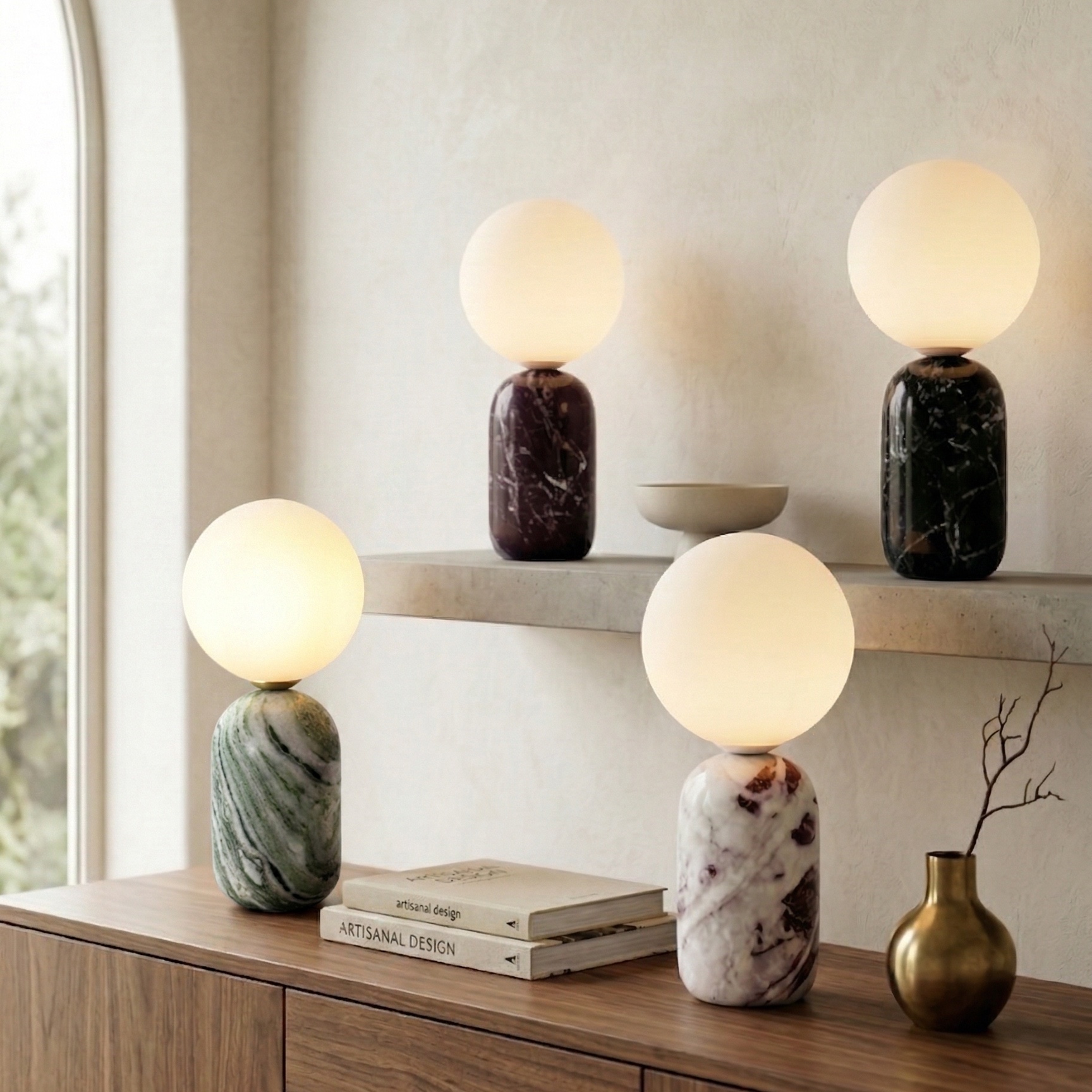
A practical guide to bedside lighting, vanity illumination, decorative fixtures, controls, and custom lighting for hotel projects
Introduction: The Guest Room Is Where Hotel Lighting Becomes Personal
Hotel lobbies and restaurants create a first impression, but the guest room is where visitors spend private time and interact with lighting directly. Guests may arrive late, unpack, read, work, relax, prepare for a meeting, or get ready for sleep—all in the same room. A lighting scheme that only looks attractive in a rendering may not support these different activities in real use.
Effective hotel guest room lighting design balances atmosphere with practical needs. General illumination helps guests understand the space; bedside lighting supports reading; desk lighting supports work; vanity lighting helps with grooming; and decorative fixtures contribute to the hotel's visual identity. These functions should feel connected, easy to operate, and appropriate to the room's interior concept.
For hotel developers, interior designers, and procurement teams, the key is to coordinate fixture design, placement, light quality, controls, installation, and maintenance before production begins. This guide explains how to approach those decisions and where custom decorative lighting can add value.
1. Design Around the Guest's Journey Through the Room
Begin by mapping the activities guests perform from arrival to departure. The entry area needs clear orientation. The bed area should support relaxation and reading. A desk or work surface may need focused illumination. The wardrobe and luggage area should make clothing and belongings easy to find. The bathroom and vanity require a different approach from the sleeping area.
Rather than treating the room as one lighting zone, list the functions and controls for each area. This helps prevent common problems such as a bedside pendant that looks beautiful but shines directly into a guest's eyes, or a room that becomes too bright when someone wants to use only a reading light.
For hotel groups with several room types, identify which requirements are consistent across the brand and which may vary by room category. Standardizing core functions while allowing selected decorative differences can support both operational consistency and design variety.
2. Combine Ambient, Task, Accent, and Decorative Lighting
Ambient lighting
Ambient lighting provides general illumination for moving around the room and understanding its layout. It may come from ceiling fixtures, concealed lighting, or a coordinated combination of sources. The goal is a comfortable base level rather than relying on one central ceiling light to perform every task.
Task lighting
Task lighting supports reading, working at a desk, or grooming at the mirror. It should be positioned to provide useful light while minimizing glare and unwanted shadows. Bedside reading fixtures need particular attention because guests use them at close range and from different positions.
Accent lighting
Accent lighting can highlight artwork, textured wall panels, joinery, or selected architectural details. It adds depth and helps the room feel considered rather than uniformly illuminated.
Decorative lighting
Decorative fixtures—such as bedside pendants, wall sconces, and statement ceiling lights—help express the hotel's design identity. Their shape, finish, and material should relate to the headboard, furniture hardware, textiles, and overall palette. They can also contribute to useful illumination when the optical design and output suit the application.
The best results come from coordination: each layer has a clear role, and guests can use the relevant lights without activating every source in the room.
3. Bedside Lighting: Small Details, Big Impact
Bedside lighting is one of the most frequently used parts of a hotel room. Guests may read, check a phone, get up during the night, or turn off the lights without leaving the bed. Fixture placement and control access therefore matter as much as appearance.
Bedside pendants can free up space on a nightstand and create a clean visual line around the headboard. Wall sconces may be suitable where the room layout or ceiling conditions make pendants impractical. Table lamps can offer a residential feel, but the available surface area and housekeeping requirements should be considered.
During design review, check whether a guest can reach the switch comfortably, whether the light source is visible from the pillow, and whether the fixture interferes with headboard panels or bedside storage. Confirm suspension length, mounting position, and the relationship between the fixture and mattress—not just the ceiling height.
If left- and right-hand bedside fixtures are intended to match, define them clearly in drawings and schedules. For larger hotel projects, unique item codes and controlled drawings help avoid installation errors across repeated rooms.
4. Bathroom and Vanity Lighting Need a Different Strategy
Bathroom lighting supports grooming, shaving, makeup, and everyday routines. A decorative ceiling light alone may create shadows on the face, particularly when the primary light comes from above. The design should consider the position of light around the mirror, the finish of surrounding surfaces, and the required protection appropriate to the installation environment.
Where face illumination is important, evaluate the light from the user's position in front of the mirror. Side lighting or a suitably designed illuminated mirror may help reduce unwanted facial shadows, depending on the layout. Specify color quality and color temperature according to the project brief, and coordinate them with the other bathroom sources.
Bathroom fixtures must be selected for the relevant location and environmental conditions. The project team should confirm applicable electrical safety, ingress-protection, and local code requirements before the specification is finalized.
5. Make the Room Easy to Operate
A guest should not need to guess which switch controls the bedside light or how to turn off the room when leaving. Control layouts should be intuitive, clearly coordinated with the lighting plan, and reviewed from the perspective of a first-time visitor.
Depending on the hotel's system and budget, controls may include bedside switching, dimming, scene presets, master-off functions, or integration with a room control system. These features should be specified with the electrical and controls teams early in the project. Compatibility between the selected driver, dimmer, and control protocol should be confirmed rather than assumed.
Consider useful scenes such as Welcome, Read, Relax, Night, and All Off where they suit the operating model. The actual labels and functions should match the hotel's standards and should be tested in a representative room mock-up before a large rollout.
6. Select Light Quality for Comfort and Material Appearance
Light quality influences how guests perceive skin tones, textiles, wood, stone, artwork, and decorative finishes. A room may contain several different sources, so the team should consider how their color appearance and brightness relate to one another.
Avoid selecting color temperature based on a single product photograph. Review the fixture with the actual materials and other light sources where possible. If the project requires defined color-rendering, dimming, flicker, or color-consistency performance, include these requirements in the technical schedule and confirm them through suitable documentation or testing.
Visual comfort matters at night. Check whether downlights or decorative fixtures can be seen directly from the bed, whether polished surfaces create distracting reflections, and whether a reading light spills into the other side of a shared room. These details are easier to address during mock-up review than after installation.
7. Coordinate Fixtures with Interior Design and Room Types
Guest room lighting should feel like part of the architecture. Bedside pendants can align with the headboard or nightstands; wall sconces can complement wall panels; and decorative ceiling fixtures can relate to the room's proportions. A fixture should be evaluated in the room context, not as an isolated catalogue image.
Standard rooms, suites, accessible rooms, and premium room categories may have different layouts and requirements. A family of related fixtures can maintain a recognizable hotel identity while allowing variations in size, mounting method, or configuration where necessary.
For custom lighting, drawings should identify required dimensions, finishes, suspension details, mounting points, and any fixed design features. If the room layout is still changing, clearly separate confirmed dimensions from items that remain subject to approval.
8. Plan for Housekeeping, Maintenance, and Repeat Orders
Hotel guest rooms are cleaned frequently and used by many different guests. Decorative lighting should therefore be assessed for cleaning access, durability, replaceable components, and the practical steps required for maintenance.
Ask how shades, glass components, decorative elements, lamps, or drivers can be accessed. Consider whether housekeeping staff can clean the fixture safely and whether special tools or access equipment are required. For suspended fixtures, make sure the installation method and maintenance procedure are clear.
For hotel groups, retain approved drawings, item codes, material and finish references, driver or lamp information, and spare-part details. These records help maintenance teams replace components and allow procurement teams to reorder fixtures with fewer misunderstandings. If finishes or materials may vary naturally, define acceptable variation before production and retain a reference sample when practical.
9. A Practical Specification Checklist for Hotel Guest Rooms
- Room type, layout, ceiling height, and furniture plan.
- Fixture schedule with unique item codes and quantities.
- Dimensions, mounting positions, suspension lengths, and installation details.
- Preferred materials, finishes, colors, and any design details that must remain unchanged.
- Lighting functions: ambient, reading, desk, vanity, accent, and decorative.
- Light source, color temperature, color-rendering, dimming, and control requirements.
- Destination market and applicable electrical, safety, testing, or certification requirements.
- Sample room or mock-up approval process and drawing revision control.
- Cleaning access, replaceable components, maintenance instructions, and spare parts.
- Packaging, delivery schedule, and the person responsible for final approvals.
A well-prepared schedule gives designers, manufacturers, contractors, and hotel operators a shared reference. It also makes it easier to compare quotations fairly because each supplier is responding to the same information.
10. How Meiyun Lighting Can Support Hotel Lighting Projects
Zhongshan Meiyun Lighting Co., Ltd. works with B2B customers on custom decorative lighting for hospitality, residential, and commercial interiors. For hotel guest rooms, suites, lobbies, corridors, restaurants, and other public spaces, Meiyun can discuss decorative fixture concepts based on customer drawings, reference images, and project specifications.
Depending on project requirements and manufacturing feasibility, customization discussions may cover dimensions, materials, surface finishes, selected structural details, and coordination among related fixtures. Material directions may include glass, metal, crystal, natural-stone-inspired designs, and woven decorative elements where suitable for the intended application.
For guest room projects, Meiyun can discuss decorative pendant lights, wall lights, ceiling fixtures, and coordinated lighting elements that complement the interior design. The exact product scope, technical specifications, and installation requirements should be reviewed and confirmed for each project.
For hotel groups or projects with repeated room types, clear item codes, approved drawings, sample references, and documented finish specifications can help the project team manage revisions and future replenishment. Early communication about bedside positioning, suspension length, access for maintenance, and control requirements can reduce uncertainty before production.
Meiyun welcomes inquiries from hotel owners, hospitality groups, interior design studios, architects, contractors, distributors, and professional sourcing teams. To start a discussion, send your room plans, fixture schedule, drawings or reference images, estimated quantities, preferred materials and finishes, destination market, technical requirements, and target delivery schedule.
Meiyun Lighting can work with professional buyers to explore custom decorative lighting options for hotel interiors. Final specifications, compliance documentation, production arrangements, and lead times should be confirmed for the individual project before order placement.
Frequently Asked Questions
What is important in hotel guest room lighting design?
The design should support relaxing, reading, working, grooming, and moving around the room. Ambient, task, accent, and decorative lighting should be coordinated with intuitive controls and practical maintenance access.
Are bedside pendant lights suitable for hotel rooms?
They can be suitable when their position, suspension length, light output, and controls are coordinated with the bed, nightstand, headboard, and ceiling conditions. The fixture should not create glare for a guest lying in bed.
How should hotel vanity lighting be planned?
Evaluate illumination from the user's position at the mirror, consider placement to reduce facial shadows, and confirm color quality and suitability for the bathroom installation environment.
Should hotel guest room lights be dimmable?
Dimming can improve flexibility, but the need and method depend on the hotel brief and control system. Confirm driver compatibility, dimming behavior, and any required scenes during the design stage.
What information should be provided to a custom hotel lighting manufacturer?
Provide room plans, drawings or annotated references, dimensions, quantities, preferred materials and finishes, light-source and control requirements, destination market, target schedule, and relevant compliance requirements.
How can hotels maintain consistent lighting across many rooms?
Use unique fixture codes, controlled drawing versions, approved samples or finish references, and a documented replacement-parts list. Record any approved differences between room categories.
Can decorative lighting be customized for a hotel brand?
Depending on feasibility, customization discussions may include dimensions, materials, finishes, and selected structural details based on drawings or reference images. The final scope should be documented and approved before production.
How can hotel teams make decorative fixtures easier to maintain?
Review cleaning access, safe removal of components, lamp or driver replacement, installation method, and spare-part availability before final approval. Keep drawings and maintenance information in a shared project file.
Conclusion: A Better Guest Room Starts with Better Lighting Decisions
Hotel guest room lighting must do more than create an attractive image. It needs to support rest, reading, work, grooming, and everyday movement while expressing the hotel's design identity. The strongest results come from coordinating lighting layers, fixture placement, light quality, controls, and maintenance requirements from the beginning.
If you are developing a new hotel, renovating guest rooms, or sourcing decorative fixtures for a hospitality project, Meiyun Lighting welcomes inquiries from professional buyers and design teams. Share your drawings, room plans, reference images, material preferences, and project requirements to discuss a custom decorative lighting solution.
ZHONGSHAN MEIYUN LIGHTING CO., LTD.
Website: www.meiyunlighting.com | www.meiyunlight.com
Email: sharen@meiyunlighting.com