
Lighting Guides
The Stone of Light: Why Natural Alabaster Defines High-End Interior Design in 2026
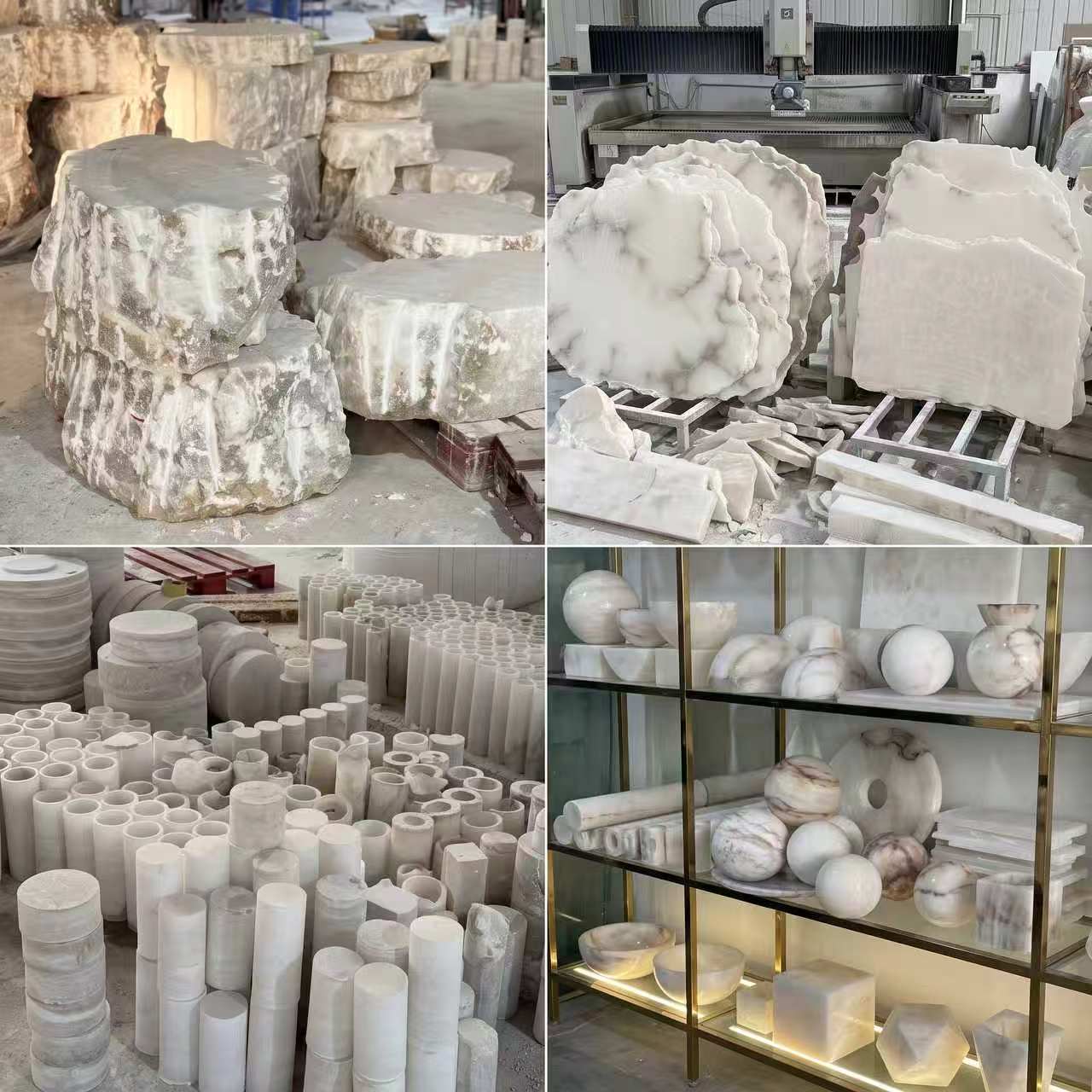
In the context of high-end interior design, lighting fixtures have long transcended their mere illumination function, becoming art pieces that shape spatial atmosphere. Among various luxurious materials, Natural Alabaster is undeniably becoming the “soul material” of home design in 2026, thanks to its unique warmth, dynamism, and depth.
What Exactly Is Authentic Alabaster?
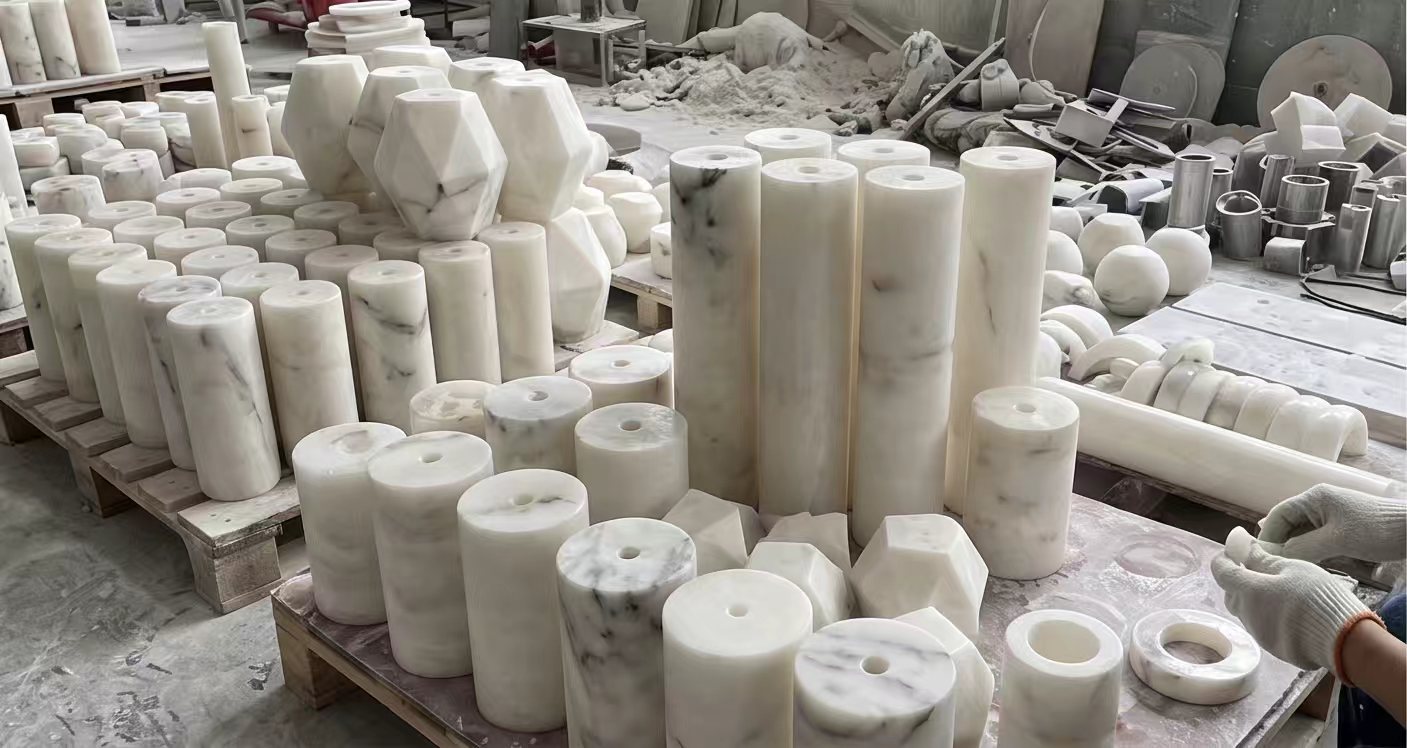
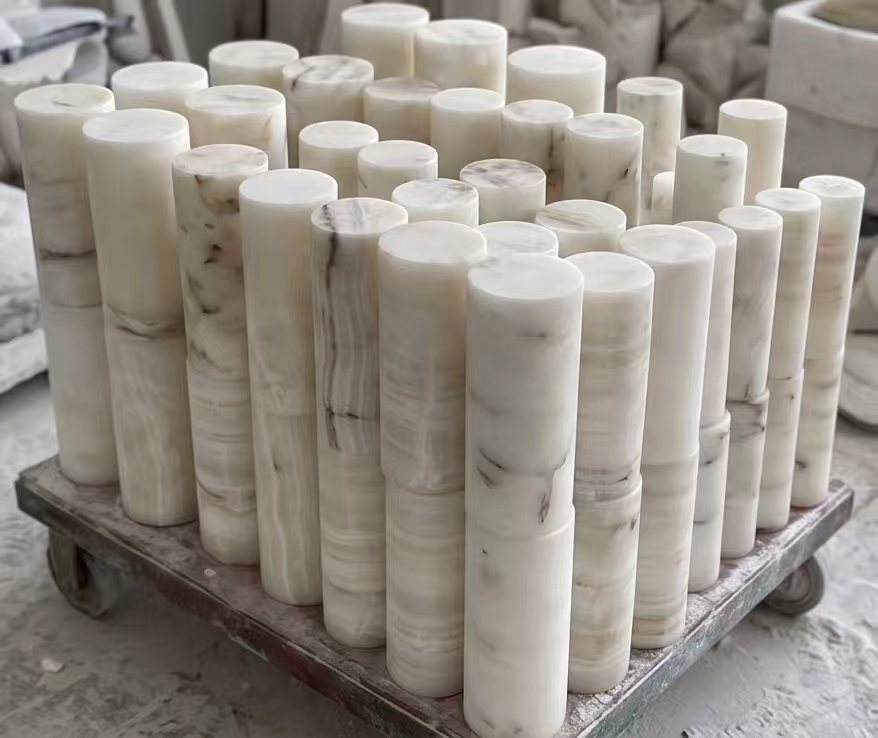
Many easily confuse alabaster with high-grade marble or ordinary plaster powder, but this is a complete misunderstanding. Marble is dense, opaque calcium carbonate; lighting-grade alabaster, however, is an extremely pure natural mineral of calcium sulfate dihydrate. Its greatest physical miracle lies in its molecular-level “translucency”.
When light passes through ordinary glass, it usually just refracts or creates glare. But when light meets the microscopic crystals inside alabaster, a magical “Volumetric Luminosity” effect occurs. Light penetrates several millimeters into the stone before scattering evenly, transforming harsh artificial light into a soft, deep glow resembling candlelight.
How to Distinguish Authentic Alabaster from Fakes?
As alabaster lighting gains popularity, a large number of resin-molded “faux alabaster” products have flooded the market. As a discerning connoisseur, you can easily distinguish the authentic from the fake through the following four dimensions:
| Dimension | Authentic Natural Alabaster | Faux Resin Alabaster |
|---|---|---|
| Texture & Veining | Truly Unique: Formed over millennia, veins flow naturally like ink wash, varying in depth. No two pieces are exactly alike. | High Repetitiveness: Produced in batches via molds, veins show rigid regularity and lack natural depth. |
| Tactile Feel & Temp. | Cool and Refined: Feels cool to the touch, with a silky and slightly waxy premium texture unique to natural stone. | Warm, Plastic-like: Feels warm and plastic-like, sometimes emitting a faint chemical odor. |
| Light Transmittance | Lustrous as Jade: Filters harsh light effectively, creating a rich, three-dimensional, and deep interplay of light and shadow. | Harsh Light Diffusion: Diffusion lacks depth; artificial bubbles from molding are sometimes visible when illuminated. |
| Perceived Weight | Substantial and Solid: Extremely high density. Even a small wall sconce feels weighty, showcasing solid material quality. | Lightweight: For the same volume, weight is typically only 1/3 to 1/2 of natural stone, feeling flimsy. |
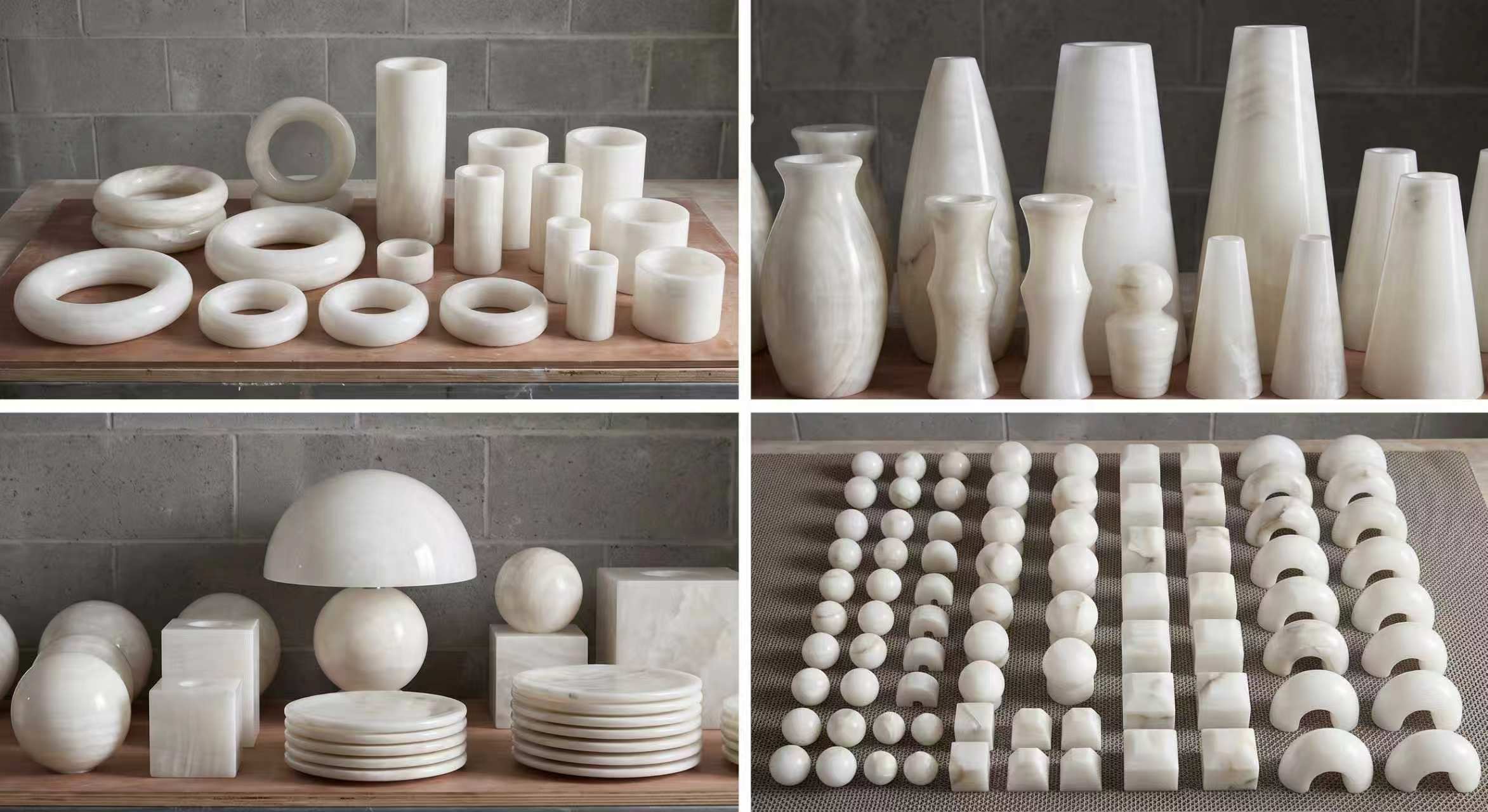
The Craftsmanship: From Rough Stone to Art Piece
A high-quality natural alabaster lamp represents an extremely rigorous craftsmanship process:
- Stone Selection: Not all alabaster is suitable for lighting. Craftsmen must select blocks with good translucency, attractive color, and stable structure.
- Precise Cutting and Hollowing: Alabaster is soft (Mohs hardness of 2) and fragile. Craftsmen must precisely calculate the thickness to strike a perfect balance between strength and the desired glow.
- Sanding and Polishing: Multiple stages of hand polishing awaken the silky touch and natural veining on the stone’s surface, presenting an understated, unpretentious luxury.
- Matching with Metal: Often paired with aged brass, bronze, or brushed gold, the warm metal tones perfectly echo the amber veins within the alabaster.
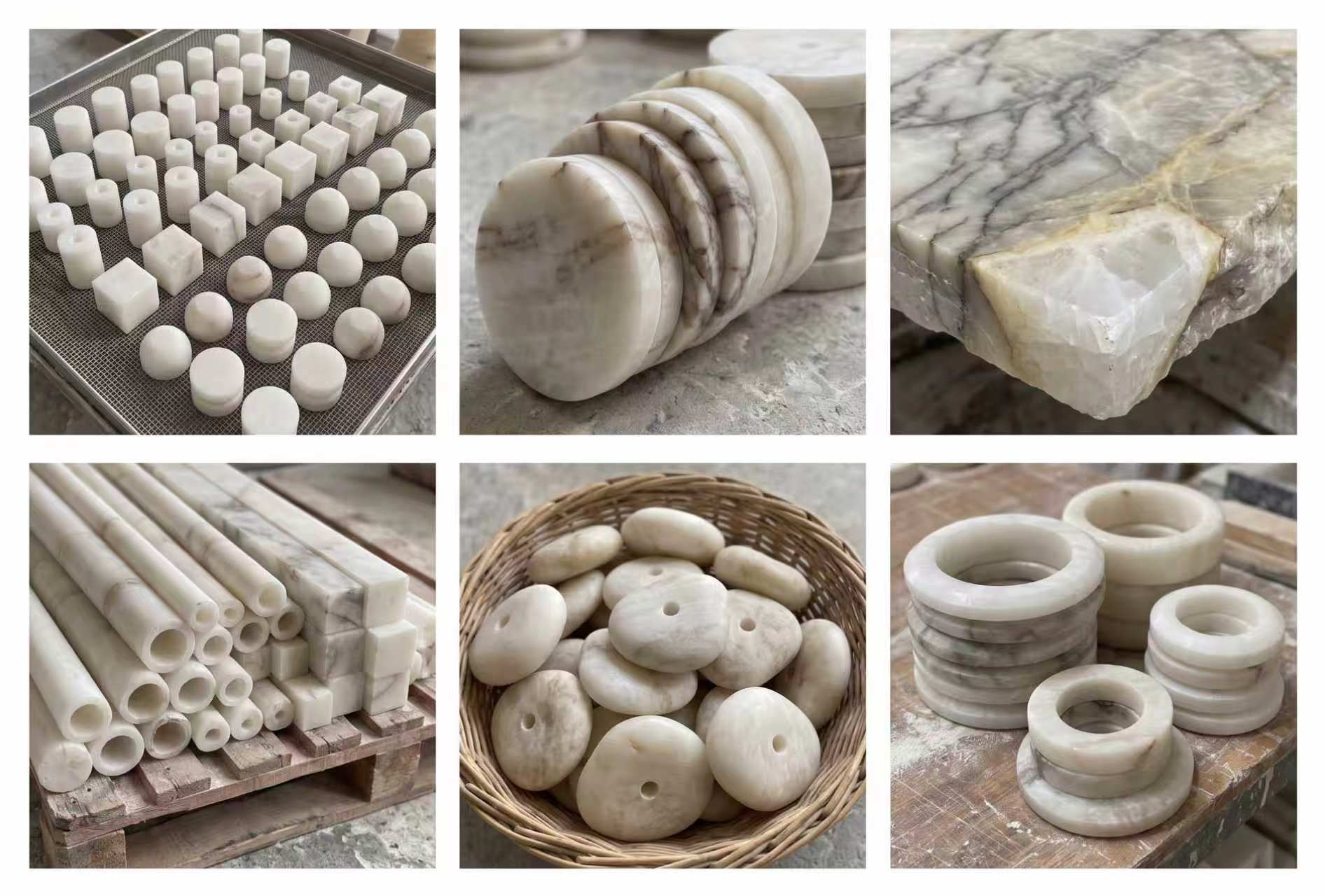
Timeless Beauty: Care Protocol
With a few simple care guidelines, your alabaster fixtures can easily become heirlooms:
- Routine Dusting: Use only microfiber cloths. Strictly avoid rough paper towels or chemical cleaners containing alcohol/ammonia.
- Humidity Management: Avoid installation in highly humid areas like shower enclosures, but they perform excellently in separated vanity areas.
Conclusion
Today, as smart homes become prevalent, our pursuit of lighting is returning to its roots. A natural alabaster lamp represents quiet luxury and organic modernism; it is a one-of-a-kind masterpiece crafted by nature over millions of years for your home.