
Project Guides
Restaurant Lighting Design: How Custom Decorative Lighting Shapes Guest Experience and Brand Identity
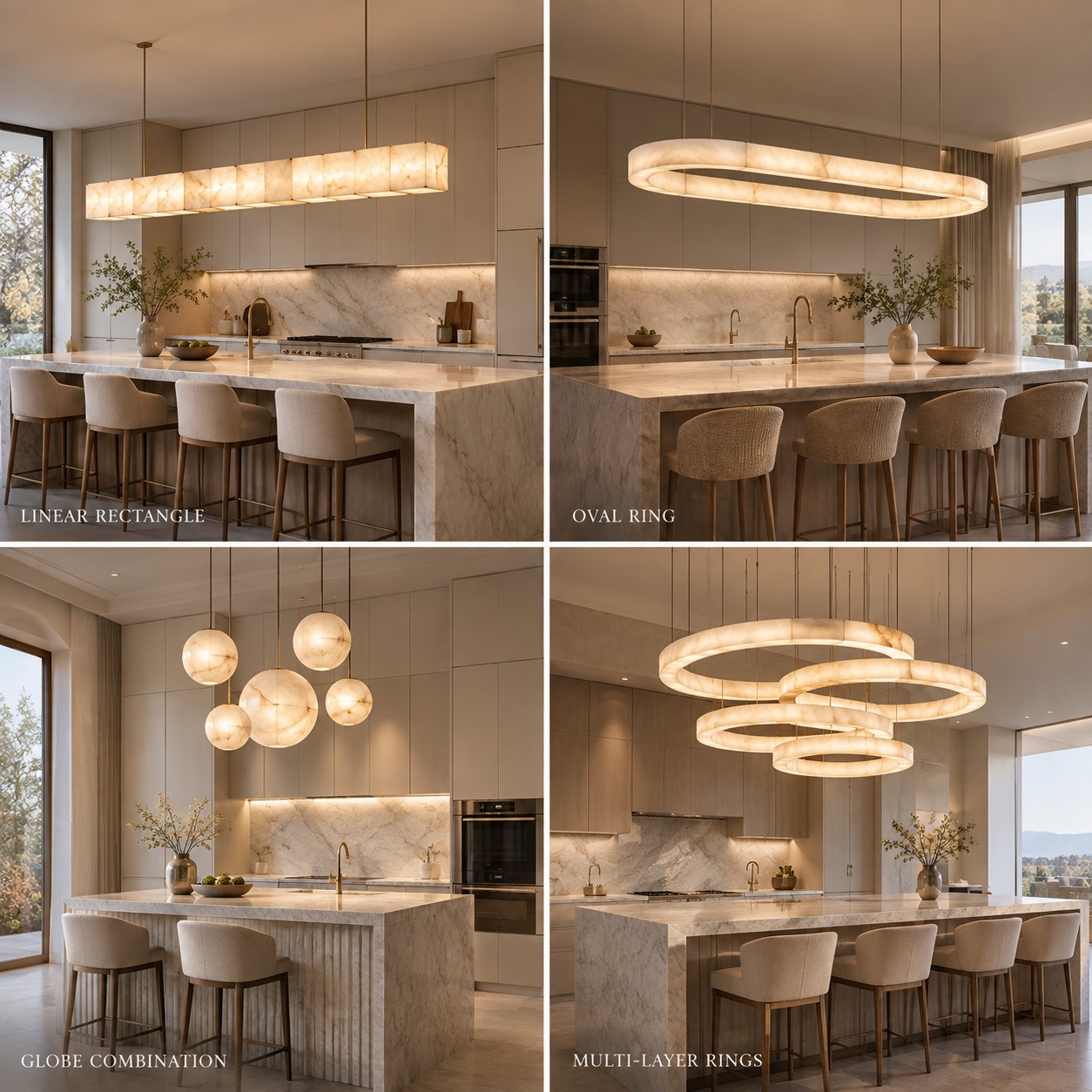
A restaurant is remembered for more than its menu. The atmosphere, the way people look and feel in the space, and the details they notice from the moment they arrive all contribute to the dining experience. Lighting is one of the most influential parts of that environment. It guides attention, gives materials depth, helps guests feel comfortable, and turns an interior concept into a recognizable brand experience.
Well-planned restaurant lighting design combines functional illumination with decorative expression. For restaurants seeking a distinctive identity, custom decorative lighting can go a step further: it can reflect the design concept, fit unusual architectural conditions, and create signature moments that guests associate with the venue.
1. Why Restaurant Lighting Matters to the Guest Experience
Guests experience a restaurant as a complete environment. Lighting influences how clearly they can read a menu, how comfortably they can see dining companions, how appetizing food appears, and whether the room feels energetic, intimate, relaxed, or formal. A beautiful fixture alone cannot solve every lighting need; the overall effect comes from the relationship between ambient, task, and accent lighting.
Comfort comes before decoration
Glare, harsh contrasts, and poorly positioned light sources can make a dining area uncomfortable even when the fixtures look impressive. Designers should consider seated eye level, reflections on glassware and polished tables, circulation paths, and the visual transition between brighter service areas and more intimate dining zones. Dimmers and separately controlled lighting groups can help the atmosphere adapt from lunch service to dinner.
Light should support food and faces
Food presentation and human interaction are central to hospitality. Appropriate color rendering helps ingredients, table settings, and finishes appear more natural. The best color temperature depends on the restaurant concept, surface materials, daylight, and the desired mood; it should be selected as part of a coordinated lighting plan rather than chosen in isolation. Mock-ups or sample testing are valuable when a project includes stone, wood, colored glass, metal finishes, or other materials that respond differently to light.
2. Use Lighting to Express a Restaurant’s Brand Identity
A restaurant’s visual identity includes its logo and menu, but it also includes the space customers photograph, share, and remember. A distinctive chandelier over a host desk, a sculptural pendant installation above a communal table, or a coordinated family of wall sconces can become a recognizable visual signature.
Lighting can communicate a brand without relying on literal logos. Slim metal profiles may support a contemporary urban concept; softly glowing alabaster or other translucent stone can suggest understated luxury; hand-blown glass can add craft and individuality; and warm metallic finishes can reinforce a rich, layered interior. These are design directions, not fixed rules—the fixture should fit the restaurant’s story, materials, maintenance needs, and budget.
For multi-location restaurant groups, a custom lighting family can help create consistency across sites while allowing dimensions or layouts to adapt to each property. A repeatable design language—shared finishes, proportions, light quality, and detailing—can make different locations feel related without making every interior identical.
3. Match the Lighting Strategy to Each Restaurant Zone
Restaurants rarely have one uniform lighting requirement. Entryways, bars, private dining rooms, open kitchens, and main dining areas perform different functions. A layered plan makes these zones feel intentional and helps staff operate the space efficiently.
|
Restaurant zone |
Lighting objective |
Custom decorative options |
|
Entrance and host desk |
Create a clear first impression and guide arrivals. |
Statement chandelier, sculptural pendant, decorative wall light. |
|
Main dining area |
Balance comfortable visibility with atmosphere. |
Pendant clusters, linear suspension, coordinated chandeliers. |
|
Private dining room |
Create intimacy and a sense of exclusivity. |
Dimmable chandelier, decorative sconces, tailored pendant scale. |
|
Bar and lounge |
Add rhythm, visual interest, and a social focal point. |
Repeated pendants, glass globes, metal-and-glass fixtures. |
|
Open kitchen or chef’s counter |
Support visibility while connecting lighting to the design concept. |
Well-shielded pendants and coordinated task lighting. |
|
Corridors and circulation |
Support safe movement and visual continuity. |
Wall sconces, ceiling fixtures, low-glare accent lighting. |
Decorative fixtures should work with the technical lighting plan, not replace it. Kitchens, preparation areas, restrooms, and other task-focused spaces may require dedicated functional lighting, while decorative fixtures provide character in guest-facing areas. Final specifications should be checked against local building codes, electrical requirements, fire and life-safety rules, and the project’s cleaning and maintenance procedures.
4. Choose Materials and Forms That Support the Concept
The material of a fixture changes both its appearance and the way it interacts with light. Material selection should consider the interior palette, the desired visual effect, expected handling, cleaning frequency, and the practical requirements of a commercial environment.
Natural stone and alabaster-style lighting
Translucent stone can produce a softly layered glow and visible natural variation, making it suitable for selected feature areas in upscale dining rooms, hotel restaurants, and private dining spaces. Because natural stone varies in color, veining, translucency, and thickness, designers should review samples and agree on acceptable variation before production. Weight, mounting, access for maintenance, and the light source behind the stone also need to be considered.
Glass lighting
Glass can introduce transparency, color, reflection, or a crafted appearance without visually closing down a room. Clear, frosted, tinted, or textured glass each creates a different effect. For projects with many fixtures, confirm color consistency, dimensions, replacement availability, and how the glass will be cleaned in day-to-day operation.
Metal and mixed-material fixtures
Brass, bronze, black finishes, stainless steel, and other metals can define a fixture’s outline and relate it to furniture hardware or architectural details. Mixed-material designs can combine a metal structure with glass or stone to create a more bespoke result. Finish samples should be assessed under the project’s actual lighting conditions, since nearby colors and light sources can change how a finish appears.
5. When Custom Restaurant Lighting Is Worth Considering
Off-the-shelf fixtures can be suitable when dimensions, appearance, and performance requirements are standard. Custom manufacturing becomes especially useful when the design calls for a specific scale, an unusual ceiling condition, a coordinated fixture family, a distinctive material combination, or a visual feature that is difficult to source as a ready-made product.
Custom decorative lighting may help a project team to:
Adjust fixture dimensions and proportions to suit ceiling height, table layout, and sightlines.
Coordinate finishes, materials, and design details across chandeliers, pendants, wall lights, and ceiling fixtures.
Develop a signature piece for a reception area, feature table, bar, or private dining room.
Adapt suspension lengths, mounting details, and canopy arrangements to the approved site conditions.
Align the decorative concept with the project’s target budget, installation plan, and maintenance expectations.
Customization should begin with a clear brief. Architects, designers, operators, and the lighting manufacturer should confirm the reference images, dimensions, finish samples, light source, dimming compatibility, mounting method, installation environment, quantity, target budget, and required delivery schedule. Approved drawings and a prototype or sample review can reduce misunderstandings before mass production.
6. Practical Questions to Ask Before Ordering Restaurant Lighting
Will the fixture create glare for seated guests? Review viewing angles and shielding from typical seated positions, not only from standing height.
Can the atmosphere change throughout the day? Confirm dimming and control compatibility, and group the lights by function where appropriate.
Can staff clean and maintain the fixture safely? Consider dust traps, removable components, access to drivers or lamps, and replacement parts.
Is the fixture suitable for the installation location? Check local electrical and building requirements, environmental ratings where relevant, and the manufacturer’s installation instructions.
Will multiple fixtures look consistent? Approve finish and material samples, tolerances, and the expected range of natural-material variation.
Does the supplier understand commercial project coordination? Discuss drawings, sample approval, packaging, labeling, installation information, quality checks, and delivery milestones.
7. How to Collaborate with a Custom Lighting Manufacturer
For restaurant projects, the manufacturing conversation should connect design intent with buildable details. A useful request package includes a reflected ceiling plan or marked-up layout, fixture schedule, reference images, key dimensions, material and finish preferences, target quantities, project location, and any known code or certification requirements. If the design is still evolving, identify which details are fixed and which can be developed with the manufacturer.
A capable custom lighting partner should be able to discuss design feasibility, material options, structural considerations, finish samples, production drawings, quality control, packing, and lead-time planning. Buyers should verify relevant product documentation and compliance for the destination market rather than assuming that one certification or specification applies everywhere. For international projects, clarify who is responsible for final electrical approval and installation.
As a custom decorative lighting supplier, Meiyun Lighting can be introduced to project teams looking for coordinated lighting concepts across chandeliers, pendants, wall lights, ceiling lights, and other decorative fixtures. Share the project type, design references, approximate dimensions, quantity, destination market, and target timeline to begin a practical discussion about customization.
8. Restaurant Lighting Design Checklist
Define the brand atmosphere and the guest experience each zone should support.
Coordinate ambient, task, and accent lighting rather than relying on decorative fixtures alone.
Review glare, color rendering, dimming, and lighting scenes with a mock-up where practical.
Choose materials and finishes that complement the interior and suit commercial maintenance needs.
Confirm dimensions, ceiling conditions, mounting details, and access for servicing.
Review applicable local codes, electrical requirements, and destination-market documentation.
Approve drawings, samples, quality expectations, packaging, and delivery milestones before production.
Frequently Asked Questions
What is the best lighting for a restaurant?
There is no single best fixture or color temperature for every restaurant. A successful plan layers ambient, task, and accent lighting, controls glare, supports food presentation and conversation, and reflects the venue’s brand and operating needs.
Why choose custom decorative lighting for a restaurant?
Custom lighting is useful when a project needs distinctive proportions, special materials, coordinated fixtures, unusual mounting details, or a signature design that standard products cannot provide.
How can restaurant lighting strengthen brand identity?
A recognizable fixture, consistent material palette, and coordinated lighting language can reinforce the interior concept and create memorable visual moments across dining areas or multiple locations.
Which materials work well for restaurant decorative lighting?
Glass, metal, and selected translucent natural stones are common design options. The right choice depends on the concept, desired light effect, durability, cleaning, installation conditions, and budget.
What information should I send to a custom lighting manufacturer?
Provide reference images, dimensions, quantities, finish and material preferences, ceiling or mounting details, project location, target budget, timeline, and any required technical or compliance documentation.
Can decorative lighting replace functional restaurant lighting?
Usually not. Decorative fixtures establish character, but kitchens, service areas, circulation routes, and other task-focused spaces may need dedicated functional lighting designed for the work and applicable regulations.
Create a Distinctive Lighting Concept for Your Restaurant
Restaurant lighting should do more than fill a room with light. It should support comfortable dining, bring out the interior’s materials, guide the guest journey, and express the character of the brand. From a statement chandelier at the entrance to a coordinated family of pendants and wall lights, custom decorative lighting gives project teams more control over scale, materials, and visual identity.
Planning a restaurant, café, bar, or hotel dining space? Visit https://www.meiyunlighting.com/ to explore decorative lighting options, or contact Meiyun Lighting with your drawings, reference images, and project requirements to discuss a custom solution.